 Welkom in Europa
BRATISLAVA

BEZIENSWAARDIGHEDEN / HIGHLIGHTS

Bezienswaardigheden / tips Bratislava 2026:
1) Bratislava: Bratislava is een leuke bestemming voor een stedentrip. De stad ligt aan de Donau en heeft een gezellig historisch centrum met smalle straatjes, oude gebouwen, terrasjes en goede restaurants. In Bratislava kun je wandelen door het centrum, lokale gerechten proeven, musea bezoeken en ook goed winkelen. De stad staat bekend als een relatief betaalbare bestemming in vergelijking met andere Europese steden. Dankzij de compacte binnenstad zijn veel bezienswaardigheden gemakkelijk te voet te bereiken. Bratislava ligt bovendien dicht bij Wenen. Daardoor kun je beide steden goed combineren tijdens een vakantie. Je kunt vanuit Wenen de trein of de boot over de Donau nemen naar Bratislava. Daardoor is de stad ideaal voor een dagtrip of een korte stedentrip. En de stad wordt gelukkig nog niet overlopen door het massa toerisme, het is een zeer aangename stad om te verblijven.
2) Kasteel van Bratislava: Het Kasteel van Bratislava (Bratislavský hrad) is een van de bekendste bezienswaardigheden van Bratislava. Het kasteel ligt op een heuvel boven de Donau en biedt een prachtig uitzicht over de stad en omgeving. Het kasteel heeft een lange geschiedenis en speelde vroeger een belangrijke rol in de verdediging en het bestuur van de regio. Het huidige gebouw heeft vier hoektorens en een opvallende witte gevel. Na een grote brand in 1811 raakte het kasteel zwaar beschadigd. In de twintigste eeuw werd het grotendeels gerestaureerd. Tegenwoordig kun je het kasteelterrein gratis bezoeken en door de tuinen wandelen. In het kasteel bevindt zich ook een onderdeel van het Slowaaks Nationaal Museum, waar je meer leert over de geschiedenis van Slowakije. Voor een bezoek aan het museum moet je wel entree betalen een kaartje voor een volwassen kost 14,00 EURO.
3) Sint-Martinuskathedraal: De Sint-Martinuskathedraal (Dóm svätého Martina), is een van de belangrijkste historische gebouwen van Bratislava. De gotische kathedraal ligt aan de rand van de oude binnenstad, vlak bij de voormalige stadsmuren. De bouw begon in de dertiende eeuw en de kerk werd in de vijftiende eeuw voltooid. De kathedraal is vooral bekend omdat hier tussen 1563 en 1830 verschillende Hongaarse koningen en koninginnen werden gekroond. Bratislava was in die periode een belangrijke kroningsstad van het Koninkrijk Hongarije. De kerk heeft een indrukwekkende gotische architectuur, hoge gewelven en kleurrijke glas-in-loodramen. Op de top van de toren staat een gouden kroon, die verwijst naar de koninklijke kroningen uit het verleden. De Sint-Martinuskathedraal is gedeeltelijk gratis te bezoeken. Het middenschip en een deel van het interieur zijn gratis. Voor de toeristische zone met de schatkamer, crypte en kerkgalerij geldt een entree ticket van 5,00 EURO per volwassenen.
4) Michael's Gate: De Michael's poort (Michalská brána) is een van de bekendste historische bezienswaardigheden van Bratislava. Het is de enige bewaard gebleven stadspoort van de oorspronkelijke middeleeuwse vestingwerken van de stad. De poort dateert dus uit de middeleeuwen en kreeg in de achttiende eeuw grotendeels haar huidige barokke uiterlijk. Boven op de toren staat een beeld van de aartsengel Michael die een draak verslaat. De toren is ongeveer 51 meter hoog en vormt een herkenbaar onderdeel van de oude binnenstad. De toren is zowel een historisch monument als een museum, je kunt ook de toren beklimmen en het uitzichr is de moeite waard. Een ticket voor het museum en de toren kost 6,00 EURO per volwassenen.
5) Cumil - de rioolwerker: Cumil, ook bekend als Man at Work, is een van de bekendste en meest gefotografeerde beelden van Bratislava. Het bronzen beeld staat in de oude binnenstad en toont een man die met zijn hoofd en armen uit een rioolopening komt kijken. Het beeld werd in 1997 geplaatst en is ontworpen door de Slowaakse kunstenaar Viktor Hulík. De naam Cumil betekent gluurder of iemand die nieuwsgierig rondkijkt. De locatie is op de hoek van de straten Laurinská en Panská, in de oude binnenstad.
7) Primaatspaleis: Het Primaatspaleis (Primaciálny palác) is een prachtig roze paleis in het historisch centrum. Het werd in de achttiende eeuw gebouwd in neoklassieke stijl als residentie voor de aartsbisschop van Esztergom. Het paleis is vooral bekend vanwege de Spiegelzaal, waar in 1805 de Vrede van Pressburg werd ondertekend na de slag bij Austerlitz tussen Frankrijk en Oostenrijk. Tegenwoordig wordt het gebouw gebruikt door het stadsbestuur en kunnen bezoekers een deel van het historische interieur bewonderen. Een ticket kost 5,00 EURO per volwassenen.
8) UFO uitkijk platform: Het UFO uitkijkplatform is een van de bekendste bezienswaardigheden. Het bevindt zich boven op de brug Most SNP, die over de Donau loopt. De opvallende constructie lijkt op een vliegende schotel en danks daaraan zijn naam. Het uitkijkplatform ligt ongeveer 95 meter boven de gron en biedt een panoramisch uitzicht over Bratislava, de Donau, het kasteel en bij helder weer zelfs de omgeving van Oostenrijk en Hongarije. Een ticket tot het platform kost 11,50 EURO per volwassenen tenzij je in het restaurant gaat eten dan hoef je geen ticket te kopen. Vooraf reserveren voor het restaurant wordt aanbevolen, vooral in het weekend en 's avonds.
9) Grassalkovich Paleis: Het Grassalkovich paleis (Grasalkovicov palác) is een indrukwekkend barok paleis. Het werd in de achttiende eeuw gebouwd en diende vroeger als residentie voor de Hongaarse aristocratie. Er werden vroeger feesten, concerten en andere belangrijke evenementen georganiseerd. Tegenwoordig is het paleis de officiële residentie van de president van Slowakije. Daardoor is het gebouw niet toegankelijk voor toeristen, maar je kunt het paleis wel vanaf buiten bewonderen. De tuin achter het paleis is gratis toegankelijk wanneer de tuin geopend is. Je hoeft hier dus geen entreeticket te kopen om te wandelen of te ontspannen.
10) Eurovea: Eurovea is een modern winkelcentrum gelegen aan de oever van de Donau. Het is een populaire plek voor toeristen en inwoners om te winkelen, te eten en te ontspannen. Het winkelcentrum heeft een groot aanbod aan winkels, waaronder internationale kledingmerken, cosmeticazaken en elektronicawinkels, Daarnaast vind je er verschillende restaurants, cafés en een bioscoop. Het vormt een mooie afwisseling met de historische bezienswaardigheden van Bratislava. Ook ideaal op een regenachtige dag.
11) Devin Castle: Het Kasteel van Devin (Hrad Devin) is een indrukwekkende kasteelruïne net buiten Bratislava, op ongeveer 10-12 kilometer van het stadscentrum. Het kasteel staat hoog op een rots boven de plek waar de Donau en de Morava samenkomen, bij de grens met Oostenrijk. Het is een ideale bestemming voor een halve dagtrip vanaf Bratislava, waarbij je geschiedenis combineert met natuur en mooie uitzichten. Je kunt vanaf Bratislava de bus nemen (bus 29 vanaf halte Most SNP, kaartje 3,60 retour), dit is de goedkoopste en snelste route je bent ongeveer een half uur onderweg. Een andere optie is de boot, de trip duurt 1,5 uur heen (je vaart tegen de stroming in) en een half uur terug. De bekendste aanbieder is de Blue Danube Tours, je betaald voor een ticket 25,00 EURO retour. De toegangsprijs voor Devin Castle is hier niet inbegrepen (8,00 EURO voor volwassenen).

Highlights / tips Bratislava 2026:
1) Bratislava: Bratislava is a great destination for a city break. Situated on the Danube, the city features a charming historic center with narrow streets, old buildings, outdoor cafés, and excellent restaurants. In Bratislava, you can stroll through the city center, sample local cuisine, visit museums, and enjoy some great shopping. The city is known for being relatively affordable compared to other European destinations. Thanks to its compact city center, many attractions are easily accessible on foot. Furthermore, Bratislava is located close to Vienna, making it easy to combine both cities during a single trip. You can travel from Vienna to Bratislava by train or by boat along the Danube, which makes the city an ideal choice for a day trip or a short city break. And fortunately, the city is not yet overrun by mass tourism; it is a very pleasant city to stay.
2) Bratislava Castle: Bratislava Castle (Bratislavský hrad) is one of the most well-known landmarks in Bratislava. Situated on a hill overlooking the Danube, the castle offers a magnificent view of the city and its surroundings. The castle has a long history and once played a significant role in the defense and administration of the region. The current building has four corner towers and a striking white facade. After a major fire in 1811, the castle was severely damaged. In the twentieth century, it was largely restored. Today, the castle grounds are open to the public free of charge, allowing visitors to stroll through the gardens. The castle also houses a section of the Slovak National Museum, where you can learn more about the history of Slovakia. An admission fee is required to visit the museum; a ticket for an adult costs 14.00 EUR.
3) St. Martin’s Cathedral: St. Martin’s Cathedral (Dóm svätého Martina) is one of the most significant historical buildings in Bratislava. The Gothic cathedral is located on the edge of the old town, near the former city walls. Construction began in the thirteenth century, and the church was completed in the fifteenth century. The cathedral is best known because various Hungarian kings and queens were crowned here between 1563 and 1830. During that period, Bratislava was an important coronation city for the Kingdom of Hungary. The church features impressive Gothic architecture, high vaults, and colorful stained-glass windows. At the top of the tower stands a golden crown, which refers to the royal coronations of the past. St. Martin's Cathedral is partially open to the public free of charge; the central nave and parts of the interior can be visited at no cost. Access to the tourist area—which includes the treasury, the crypt, and the church gallery—requires an entrance ticket, priced at 5.00 EUR for adults.
4) Michael's Gate: Michael's Gate (Michalská brána) is one of Bratislava's most well-known historical landmarks. It is the only surviving city gate from the city's original medieval fortifications. The gate therefore dates from the Middle Ages and largely acquired its current Baroque appearance in the eighteenth century. At the top of the tower stands a statue of the Archangel Michael defeating a dragon. The tower is approximately 51 meters (167 feet) high and forms a recognizable part of the old city center. It functions as both a historical monument and a museum; you can also climb the tower, and the view from the top is well worth it. A ticket for the museum and the tower costs 6.00 EUR per adult.
5) Čumil – the sewer worker: Čumil, also known as "Man at Work," is one of the best-known and most-photographed statues in Bratislava. Located in the Old Town, this bronze sculpture depicts a man emerging from a sewer opening, his head and arms visible above the ground. The statue was installed in 1997 and was designed by the Slovak artist Viktor Hulík. The name Cumil means voyeur or someone who looks around curiously. It can be found on the corner of Laurinská and Panská streets, in the Old Town.
6) Old Town Hall: The Old Town Hall (Stará radnica) is one of the oldest historical buildings in Bratislava. It is situated on the central square of the old city center and stands out due to its colorful facade and tower. The building originated in the Middle Ages and was expanded and modified over the centuries. In the past, it served as the seat of city administration and a venue for important municipal meetings. Today, it is a significant historical landmark and houses the Bratislava City Museum. You can also climb the tower, which offers a wonderful view of the square. A ticket for the tower costs 4.00 EUR for adults. Admission to the museum requires a separate ticket, costing 8.00 EUR for adults.
7) Primate’s Palace: The Primate’s Palace (Primaciálny palác) is a stunning pink palace located in the historic city center. It was built in the 18th century in a neoclassical style to serve as the residence for the Archbishop of Esztergom. The palace is best known for its Hall of Mirrors, where the Peace of Pressburg was signed in 1805, following the Battle of Austerlitz between France and Austria. Today, the building houses the city administration, and visitors can admire parts of its historic interior. A ticket costs 5.00 EUR per adult.
8) UFO Observation Deck: The UFO observation deck is one of the most well-known landmarks. It is located on top of the Most SNP bridge, which crosses the Danube. The striking structure resembles a flying saucer, which is how it got its name. Situated approximately 95 meters (311 feet) above the ground, the observation deck offers a panoramic view of Bratislava, the Danube, the castle, and—in clear weather—even parts of neighboring Austria and Hungary. A ticket to the observation deck costs 11.50 EUR for adults; however, if you dine at the restaurant, you do not need to purchase a ticket. Making a reservation for the restaurant in advance is recommended, especially on weekends and in the evening.
9) Grassalkovich Palace: The Grassalkovich Palace (Grasalkovicov palác) is an impressive Baroque palace. Built in the eighteenth century, it once served as a residence for the Hungarian aristocracy, hosting parties, concerts, and other significant events. Today, the palace is the official residence of the President of Slovakia. As a result, the building is not accessible to tourists, but you can admire the palace from the outside. The garden behind the palace is free to enter during its opening hours; you do not need an admission ticket to walk around or relax there.
10) Eurovea: Eurovea is a modern shopping center located on the banks of the Danube. It is a popular spot for both tourists and locals to shop, dine, and relax. The shopping center features a wide range of stores, including international clothing brands, cosmetics shops, and electronics retailers. In addition, you will find various restaurants, cafés, and a cinema. It offers a nice change of pace from Bratislava’s historical landmarks and is also an ideal destination for a rainy day.
11) Devin Castle: Devin Castle (Hrad Devin) is an impressive castle ruin just outside Bratislava, about 10-12 kilometers ( 6 - 7 miles) from the city center. The castle stands high on a rock above the place where the Danube and the Morava meet, at the border with Austria. It is an ideal destination for a half-day trip from Bratislava, offering a blend of history, nature, and beautiful views. You can take a bus from Bratislava (bus 29 from the 'Most SNP' stop; a round-trip ticket costs €3.60); this is the cheapest and fastest route, with a travel time of about half an hour. Another option is to travel by boat—the journey takes 1.5 hours on the way there (sailing against the current) and half an hour on the return trip. The most well-known operator is Blue Danube Tours, with round-trip tickets priced at €25.00. This does not include the entrance fee for Devin Castle (€8.00 for adults).
12) Twin Liner: The Twin Liner is a high-speed passenger boat that travels along the Danube. It is a nice way to travel from Bratislava to Vienna (and vice versa), with views of the Danube and without traffic jams. A one-way trip takes 1 hour and 30 minutes, arriving at Schwedenplatz in Vienna. The departure point in Bratislava is located in the Old Town, on Rázusovo nábrezie; please ensure you arrive 30 minutes before departure. Ticket prices vary. This boat service is a great choice if you want to enjoy the journey itself; however, if you are looking for a more budget-friendly way to reach Vienna, the train is a cheaper alternative.

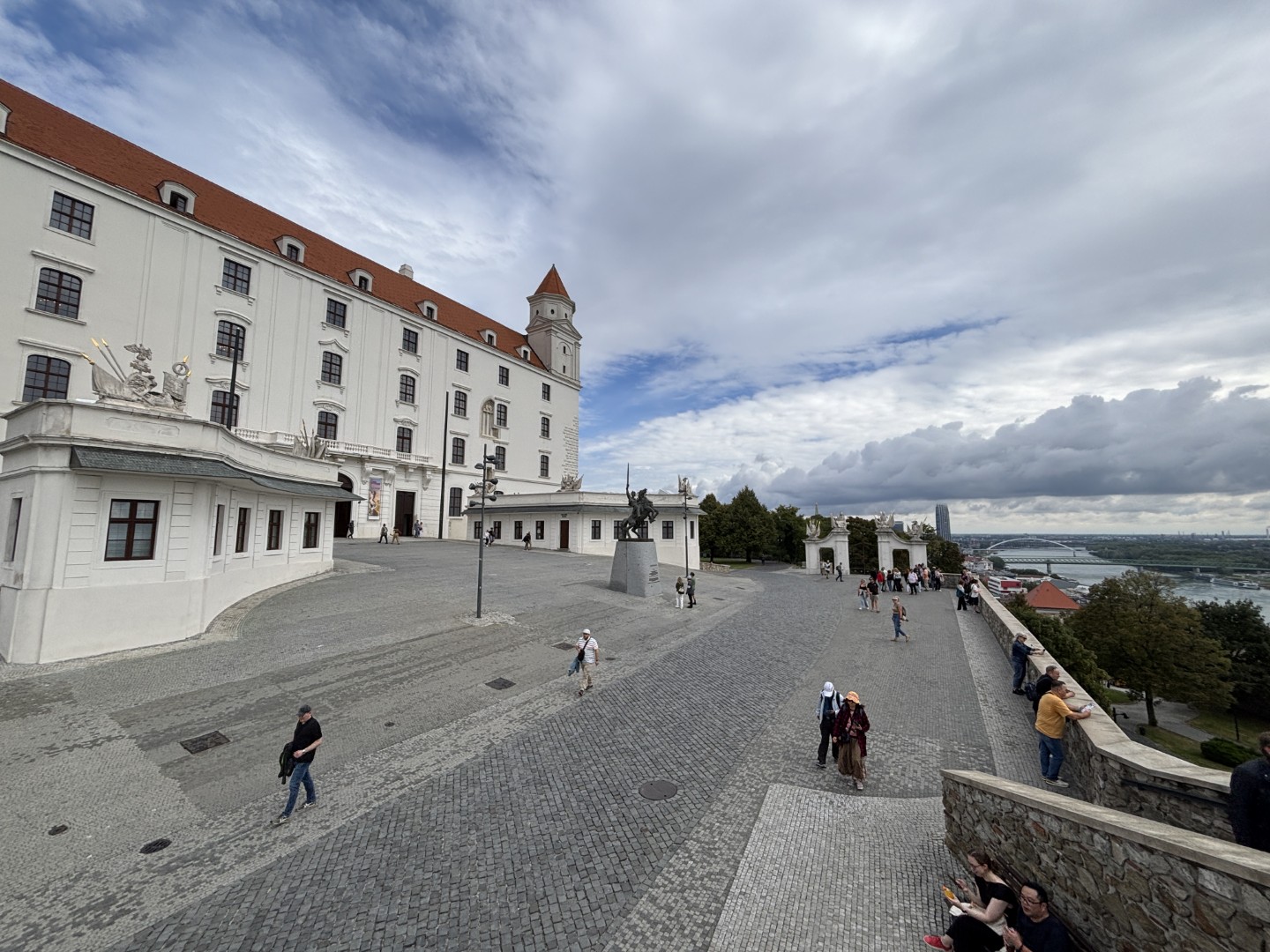
Het kasteel van Bratislava is het herkenningspunt van Bratislava en staat spectaculair op een heuvel boven de Donau. De stad noemt het zelf een symbool van Bratislava. De heuvel waarop het kasteel staat werd al duizenden jaren bewoond (zie film).
Bratislava Castle is the city's landmark, standing spectacularly on a hill above the Danube. The city itself regards it as a symbol of Bratislava. The hill on which the castle stands has been inhabited for thousands of years (see film).

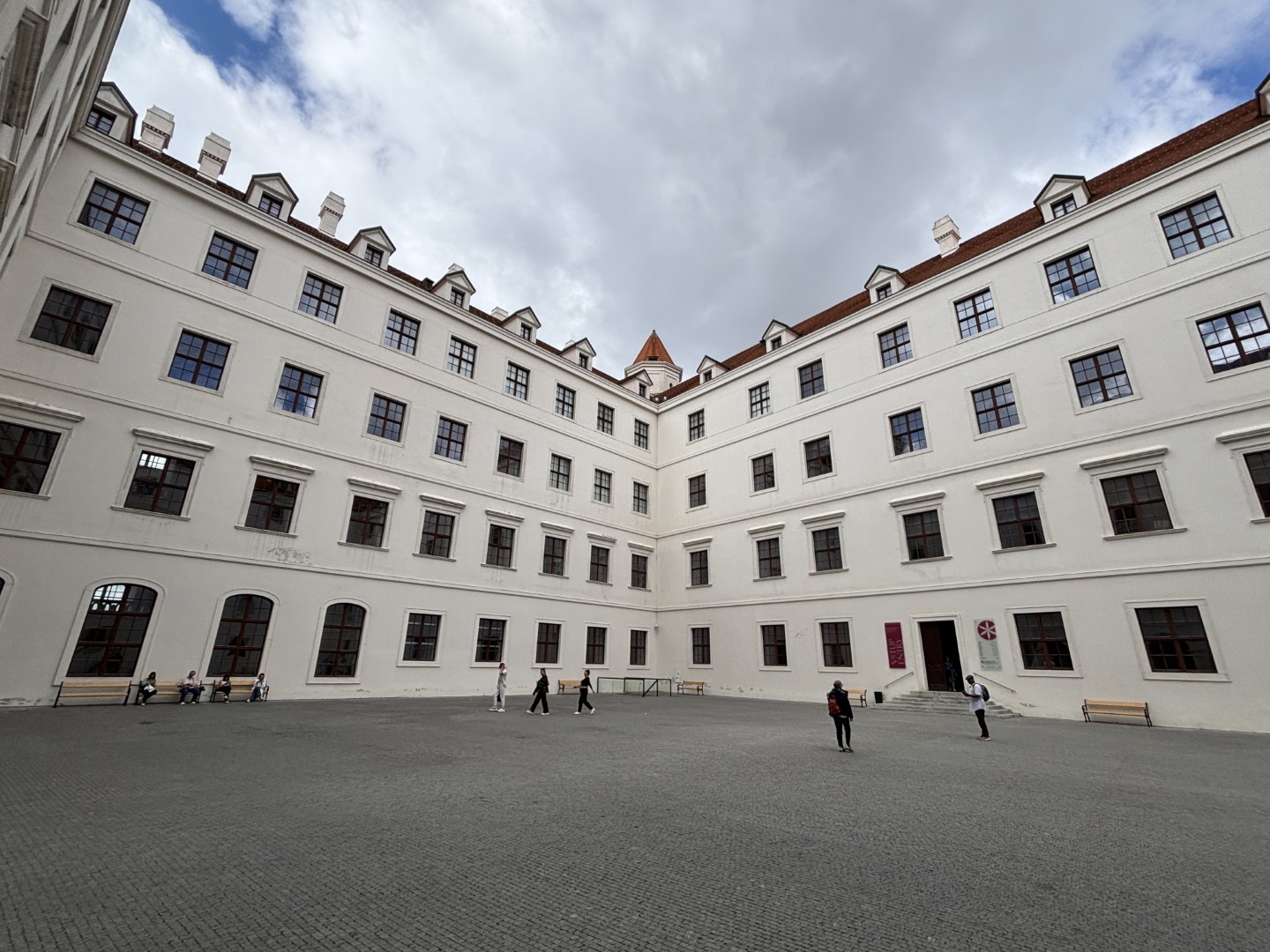
Het huidige uiterlijk van het kasteel komt vooral door Maria Theresia. In de 18e eeuw liet Maria Theresia het kasteel grondig verbouwen tot een elegante barokke residentie. Dat is een belangrijke reden waarom het kasteel er vandaag zo monumentaal uitziet. In 1811 brak er een grote brand uit, waarna het kasteel bijna 150 jaar grotendeels als ruïne bleef liggen. Vanaf de jaren 1950 werd het gerestaureerd. De grote restauratie van de huidige periode werd in 2011 voltooid.
The castle's current appearance is largely due to Maria Theresa. In the 18th century, she had the castle extensively renovated into an elegant Baroque residence; this is a key reason why the castle looks so monumental today. A major fire broke out in 1811, after which the castle remained largely in ruins for nearly 150 years. Restoration work began in the 1950s, and the major restoration of the modern era was completed in 2011.


In de tuin van Bratislava Castle staat een beeldengroep van drie mannen: de heiligen Cyrillus, Methodius en de heilige Gorazd. Links staat Cyrillus. Hij houdt een band vast met de tekst "In het begin was het Woord", geschreven in het Glagolitisch en Slowaaks. Rechts staat Methodius, herkenbaar aan zijn bisschoppelijke kleding en de dubbele kruisstaf.Gorazd was een leerling en medewerker van Cyrillus en Methodius en werd later bisschop (zie film).
In the garden of Bratislava Castle stands a statue group of three men: the saints Cyril, Methodius, and Saint Gorazd. Cyril stands on the left, holding a scroll bearing the inscription "In the beginning was the Word," written in both Glagolitic and Slovak. On the right stands Methodius, recognizable by his episcopal attire and the double cross staff. Gorazd was a pupil and collaborator of Cyril and Methodius and later became a bishop (see film).


De Baroktuin van Bratislava Castle is eigenlijk een van de mooiste verrassingen van het kasteel. De huidige tuin is een historische reconstructie van de vroegere tuin. De aanleg is gebaseerd op historische plannen en ontwerpen uit de tijd van Maria Theresia. De tuin werd in 2016 geopend.
The Baroque garden at Bratislava Castle is actually one of the castle's most delightful surprises. The current garden is a historical reconstruction of the original one; its layout is based on historical plans and designs from the era of Maria Theresa. The garden opened in 2016.

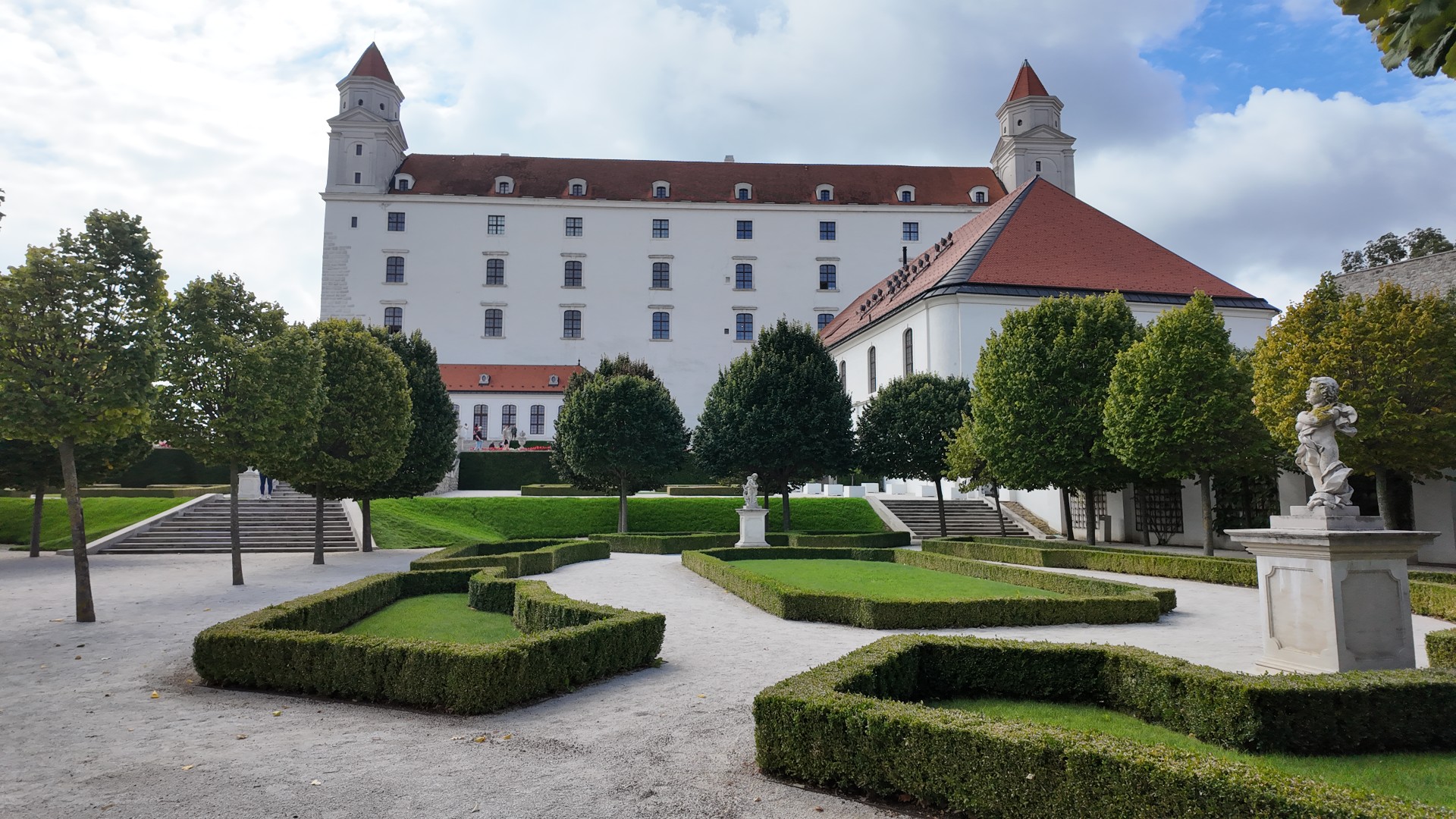
De tuin was ook bedoeld als een soort buiten verlenging van het paleis, wandelen, ontspannen, gasten ontvangen en natuurlijk ook indruk maken (zie film).
The garden was also intended as a kind of outdoor extension of the palace—a place for strolling, relaxing, receiving guests, and, of course, making an impression (see film).

Een ander gedeelte van het kasteelterrein ligt lager langs de zijkant van de burchtheuvel. Hier heb je het HRADNÁ restaurant met één van de mooiste uitzichten over Bratislava. Vanaf het terras kijk je over Bratislava en de Donau. Het is daardoor een heel mooi plek om even te zitten na het bekijken van het kasteel.
Another part of the castle grounds lies lower along the side of the castle hill. Here you will find the HRADNÁ restaurant, which offers one of the finest views of Bratislava. From the terrace, you can look out over the city and the Danube. It is a wonderful spot to sit and relax after visiting the castle.
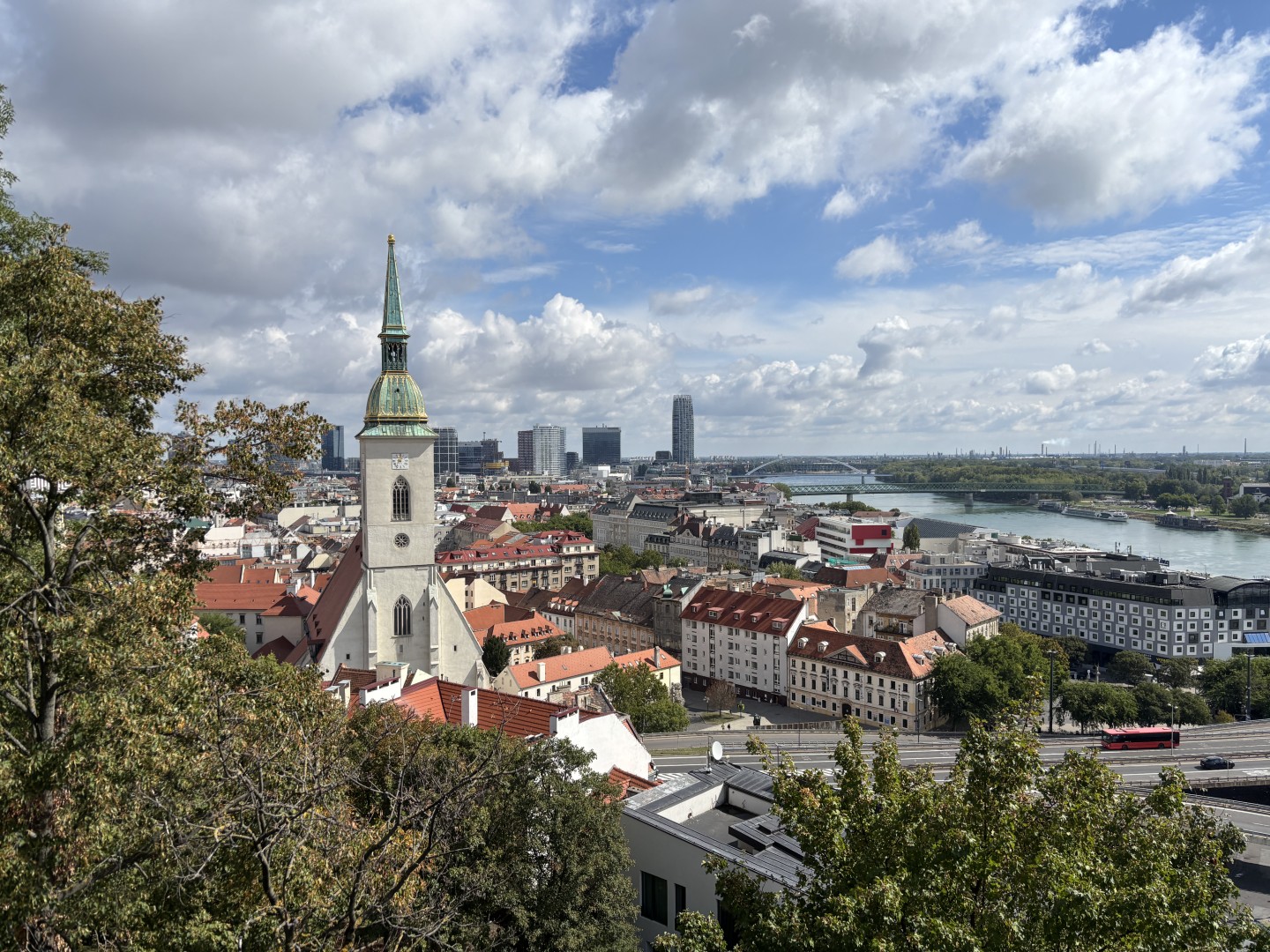

Vanuit een andere hoek heb je een mooi uitzicht over de Sint-Maartens kathedraal en de SNP brug met de bekende UFO uitkijktoren.
From another angle you have a beautiful view of St. Martin's Cathedral and the SNP bridge with the famous UFO observation tower.


De muur bij de St Martin's Cathedral is een overblijfsel van de middeleeuwse stadsmuur van Bratislava. De muur beschermde vroeger de kleine ommuurde stad. Vanaf de 18e eeuw werd een groot deel van de stadsmuren afgebroken, waardoor de overgebleven stukken tegenwoordig een herinnering zijn aan het middeleeuwse Bratislava.
The wall near St. Martin's Cathedral is a remnant of Bratislava's medieval city wall. The wall once protected the small walled city. From the 18th century onwards, a large part of the city walls was demolished, meaning the remaining sections now serve as a reminder of medieval Bratislava.
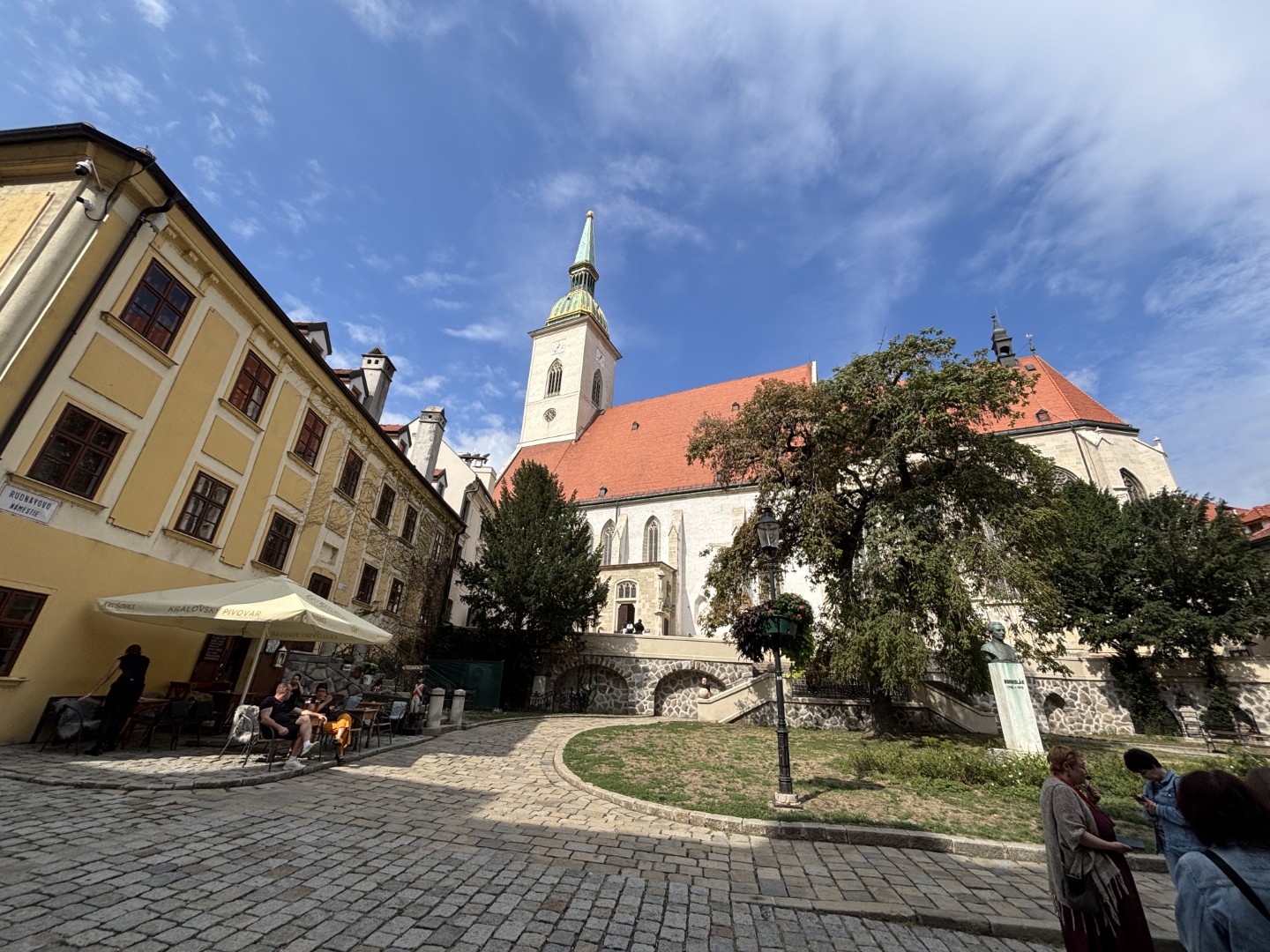
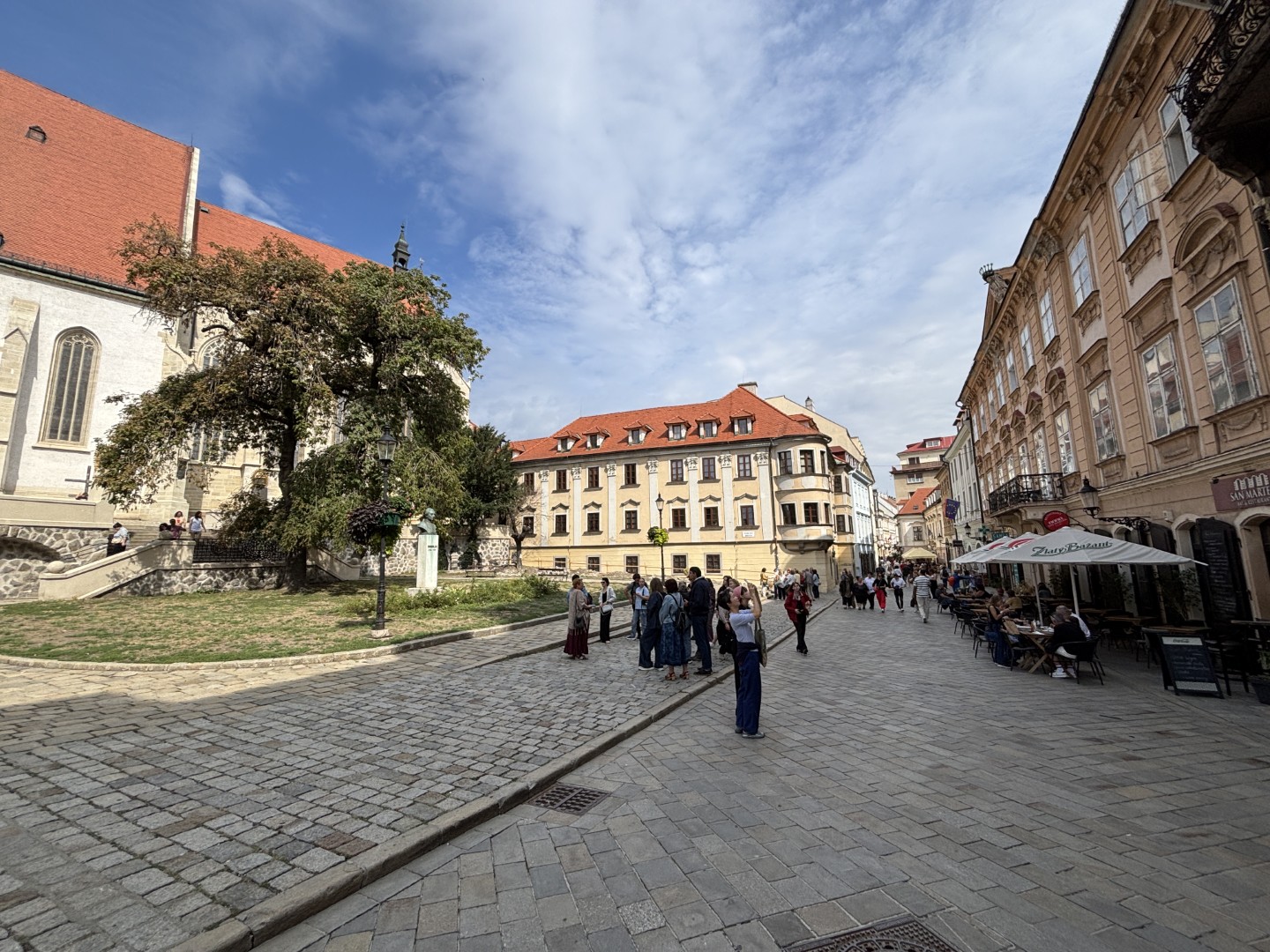
De St Martin's Cathedral (Dóm svätého Martina) is een van de belangrijkste historische gebouwen van Bratislava. De huidige kerk werd voornamelijk gebouwd vanaf de 14e eeuw. Ze staat op de plek van een oudere kerk. De cathedral is vooral gotisch, herkenbaar aan de hoge gewelven, grote ramen en de sterke verticale lijnen (zie film).
St. Martin's Cathedral (Dóm svätého Martina) is one of Bratislava's most important historical buildings. The current church was primarily built from the 14th century onwards, standing on the site of an earlier church. The cathedral is predominantly Gothic in style, characterized by high vaults, large windows, and strong vertical lines (see film).


Michael's Gate en Michalskã Ulica (de sfeervolle voetgangerstraat met historische gebouwen, winkels en cafés) horen bij de meest historische plekken van de oude binnenstad van Bratislava. Ze zijn eigenlijk niet los van elkaar te zien. De straat loopt rechtstreeks onder de oude stadspoort door en vormde eeuwenlang een belangrijke toegang tot de stad.
Michael's Gate and Michalskã Ulica (the atmospheric pedestrian street with historic buildings, shops, and cafes) are among the most historic places in Bratislava's old town. In fact, the two are inseparable; the street runs directly beneath the old city gate and served as a key entrance to the city for centuries.

De oudste delen van Michael's Gate dateren uit de 14e eeuw, in de 18e eeuw kreeg de poort haar huidige barokke uiterlijk. Bovenop staat een beeld van aartsengel Michaël die een draak verslaat. De toren is ongeveer 51 meter hoog en kan worden bezocht (zie film).
The oldest parts of Michael's Gate date back to the 14th century; the gate acquired its current Baroque appearance in the 18th century. At the top stands a statue of Archangel Michael slaying a dragon. The tower is approximately 167 feet (51 meters) high and is open to visitors (see film).
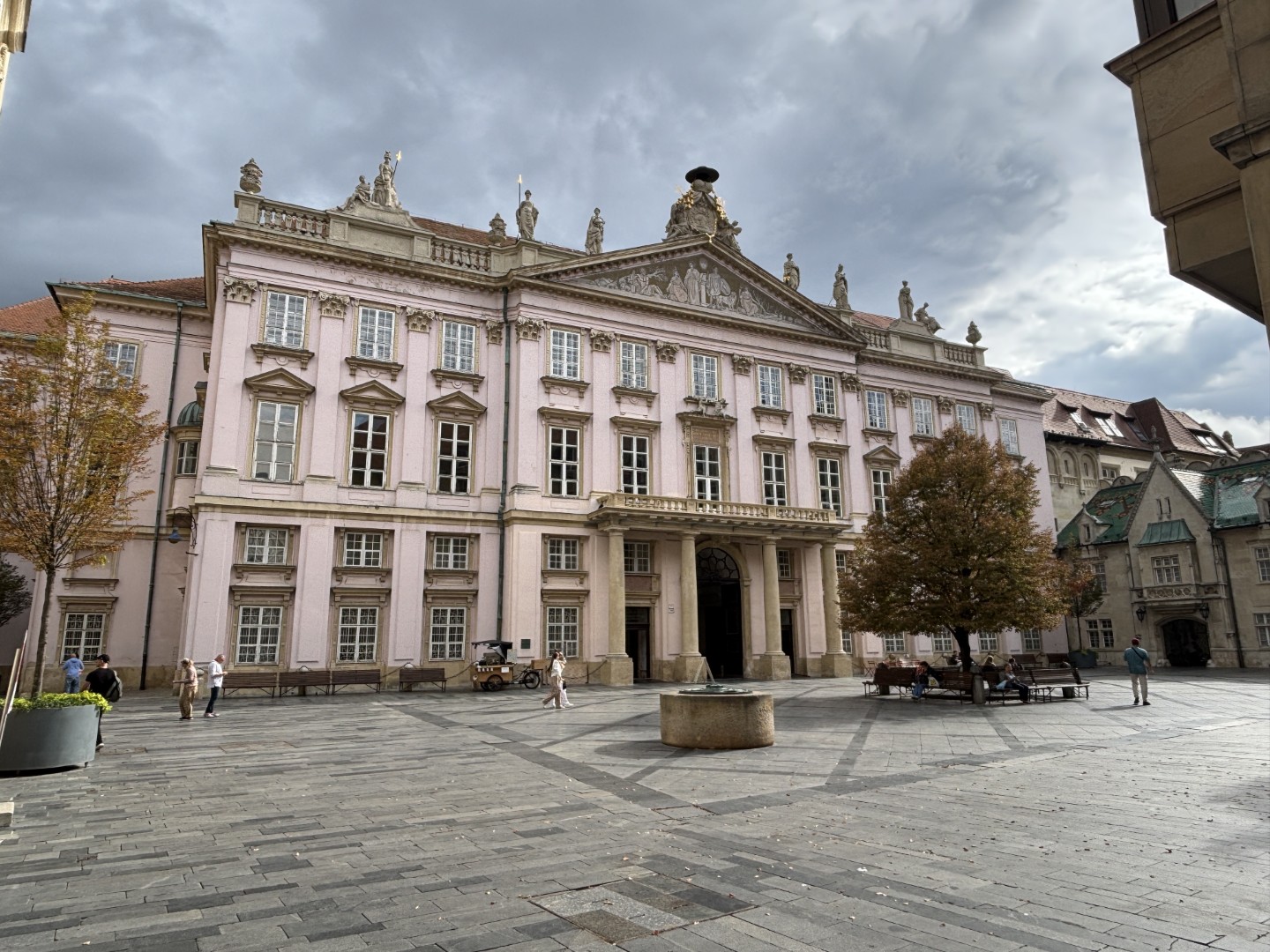
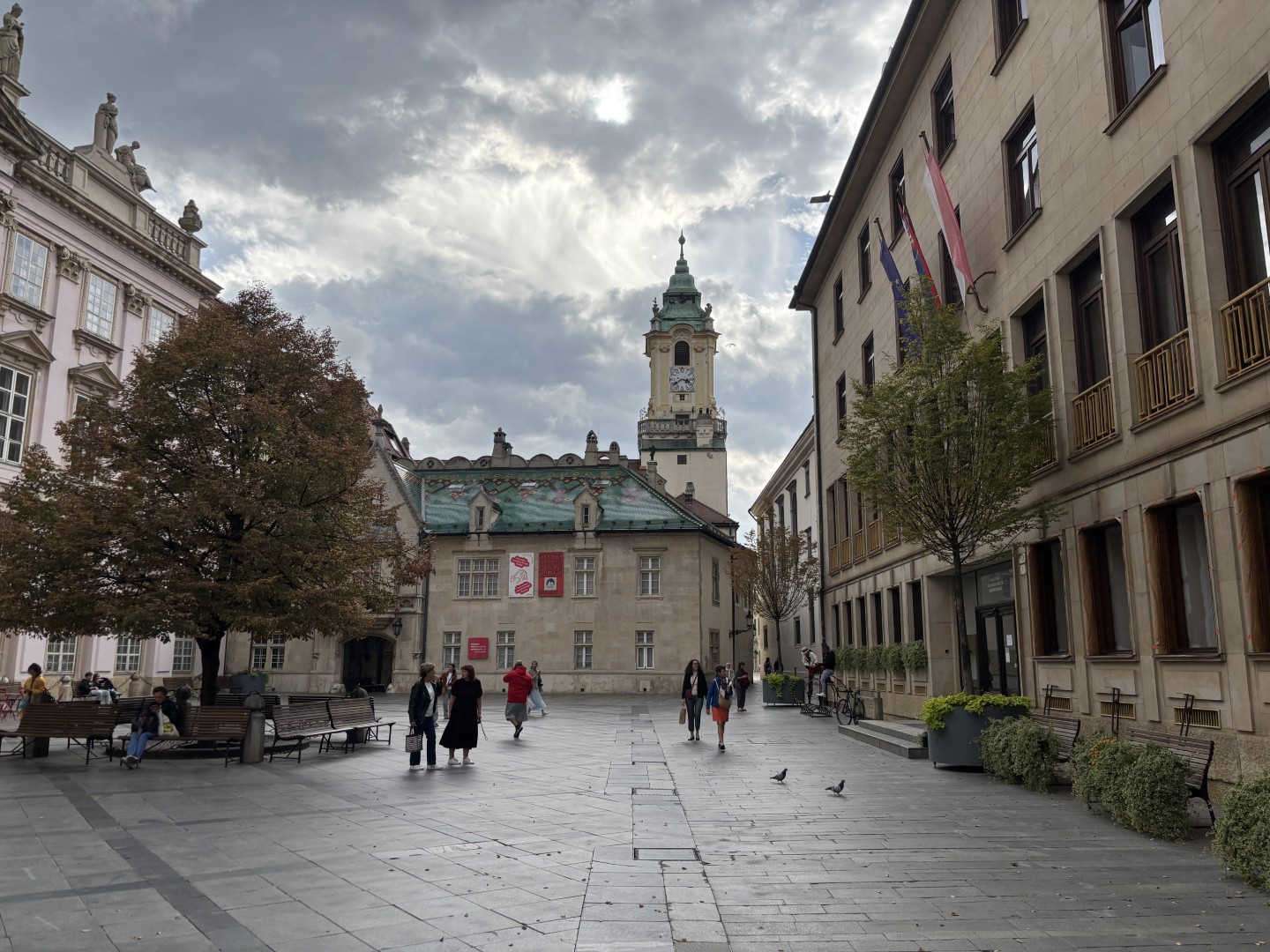
Op het Primaciálne námestie (Primaatsplein) staat het roze Primatial Palace (paleis). Het is een van de mooiste historische gebouwen van de stad. Aan de overkant van het roze paleis staat het Nieuwe Stadhuis (Nová radnica), en is onderdeel van het stadsbestuur van Bratislava.
On the Primaciálne námestie (Primate’s Square) stands the pink Primate’s Palace—one of the city’s most beautiful historic buildings. Across from the pink palace stands the New City Hall (Nová radnica), which is part of the city administration of Bratislava.
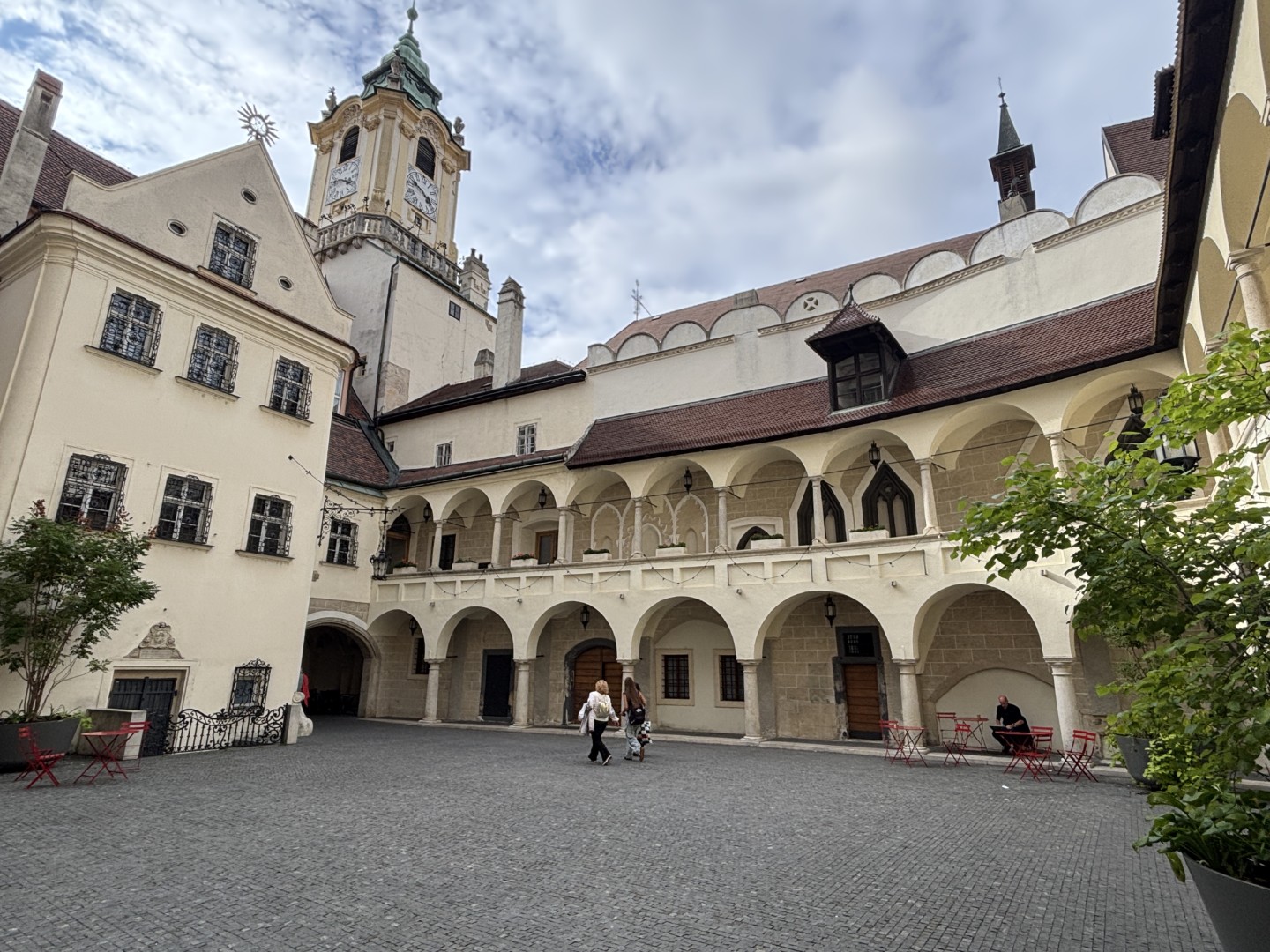
De Nádvorie Starej radnice is de historische binnenplaats van het Oude Stadshuis. Het is een prachtig, bijna verborgen plekje in de oude binnenstad. Zodra je door de toegangspoort loopt, kom je in een besloten ruimte waar verschillende eeuwen bouwgeschiedenis samenkomen.
The Nádvorie Starej radnice is the historic courtyard of the Old Town Hall. It is a beautiful, almost hidden spot in the old town. As soon as you pass through the entrance gate, you enter an enclosed space where centuries of architectural history come together.
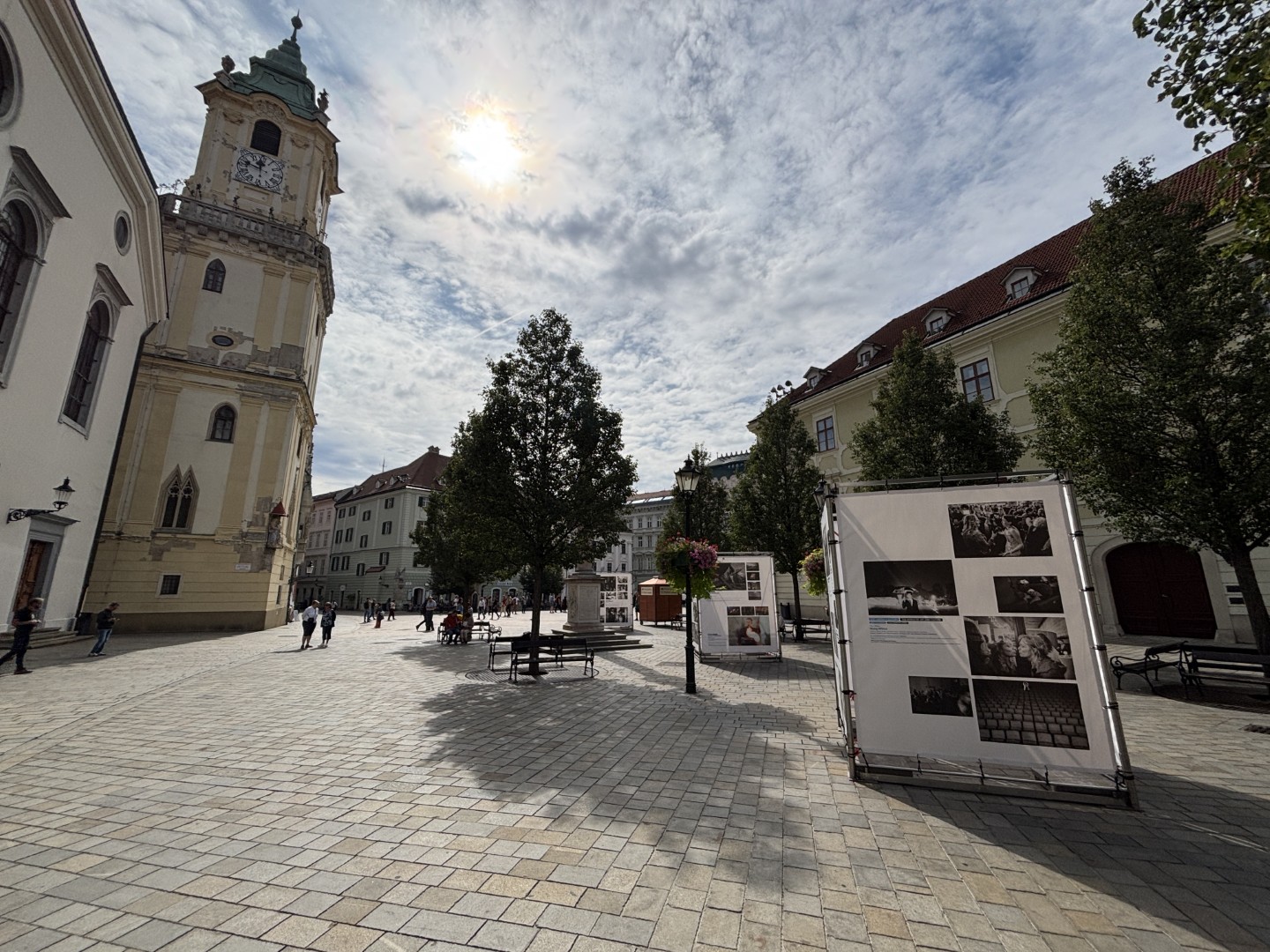
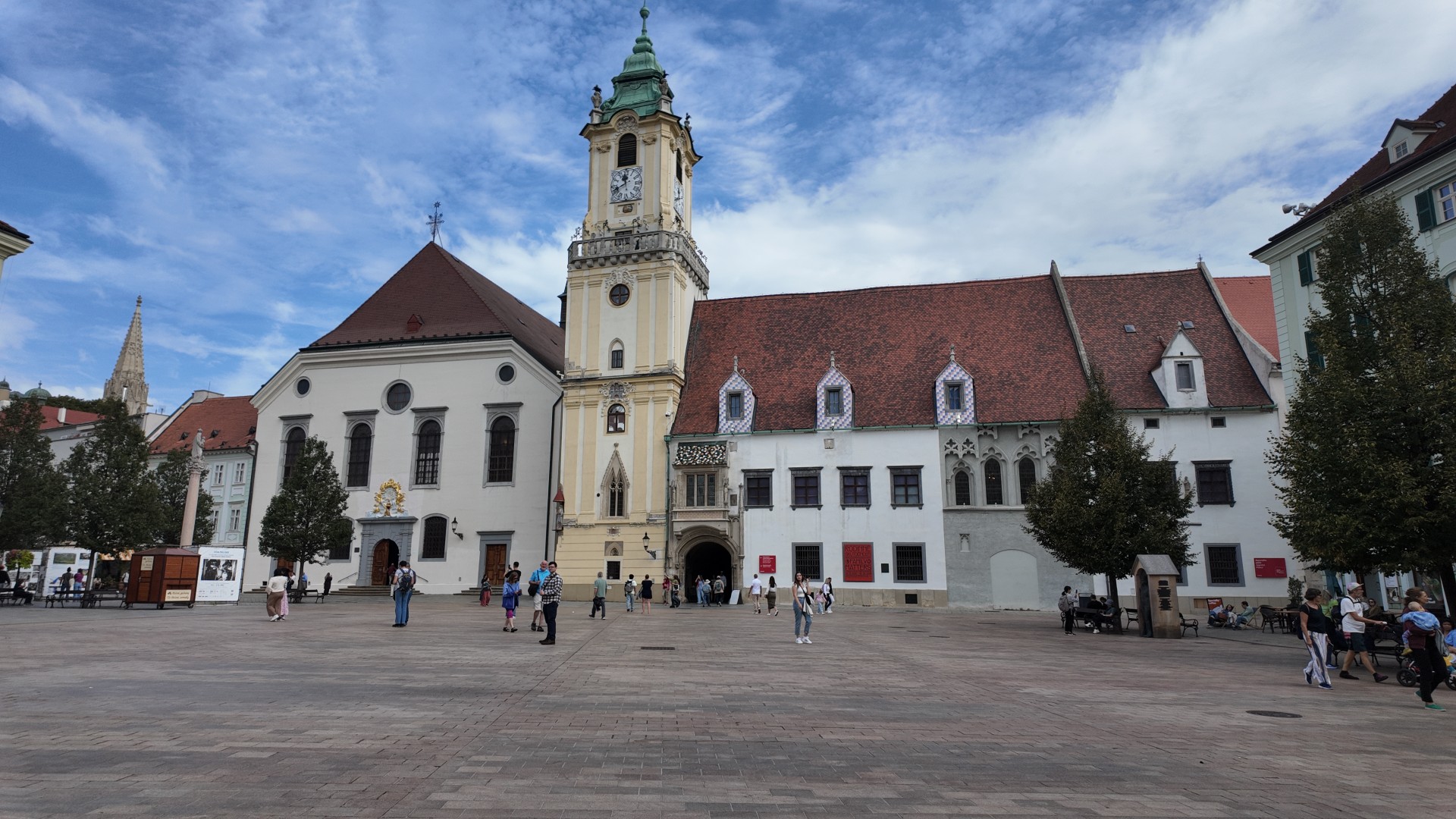
Hlavné námestie is een van de belangrijkste en oudste pleinen van de historische binnenstad van Bratislava. Het plein was vroeger vooral een marktplein waar handelaren en inwoners samenkwamen. Rondom het plein staan historische gebouwen, waaronder het indrukwekkende Oude Stadhuis (zie film).
Hlavné námestie is one of the most important and oldest squares in Bratislava's historic city center. The square was formerly primarily a marketplace where merchants and residents gathered. Historic buildings surround the square, including the impressive Old Town Hall (zie film).
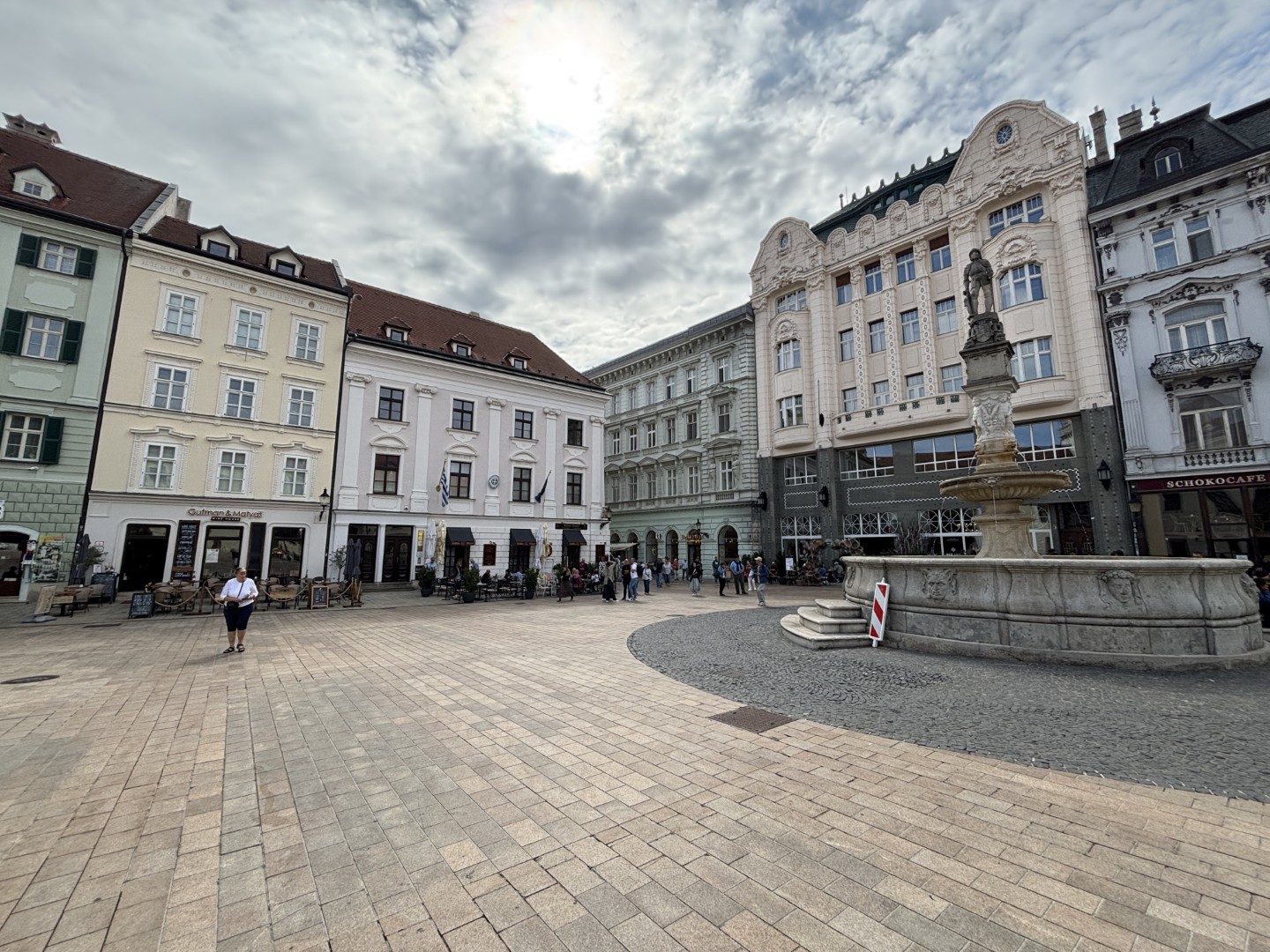
Op het plein staat ook de Maximilian's Fountain, die in 1572 werd gebouwd. De fontein had niet alleen een symbolische functie, ze diende ook als openbare watervoorziening en waterreservoir, onder andere belangrijk bij brandbestrijding (zie film).
The Maximilian's Fountain, built in 1572, also stands in the square. The fountain served not only a symbolic function but also as a public water supply and reservoir—important, among other things, for firefighting (see film).
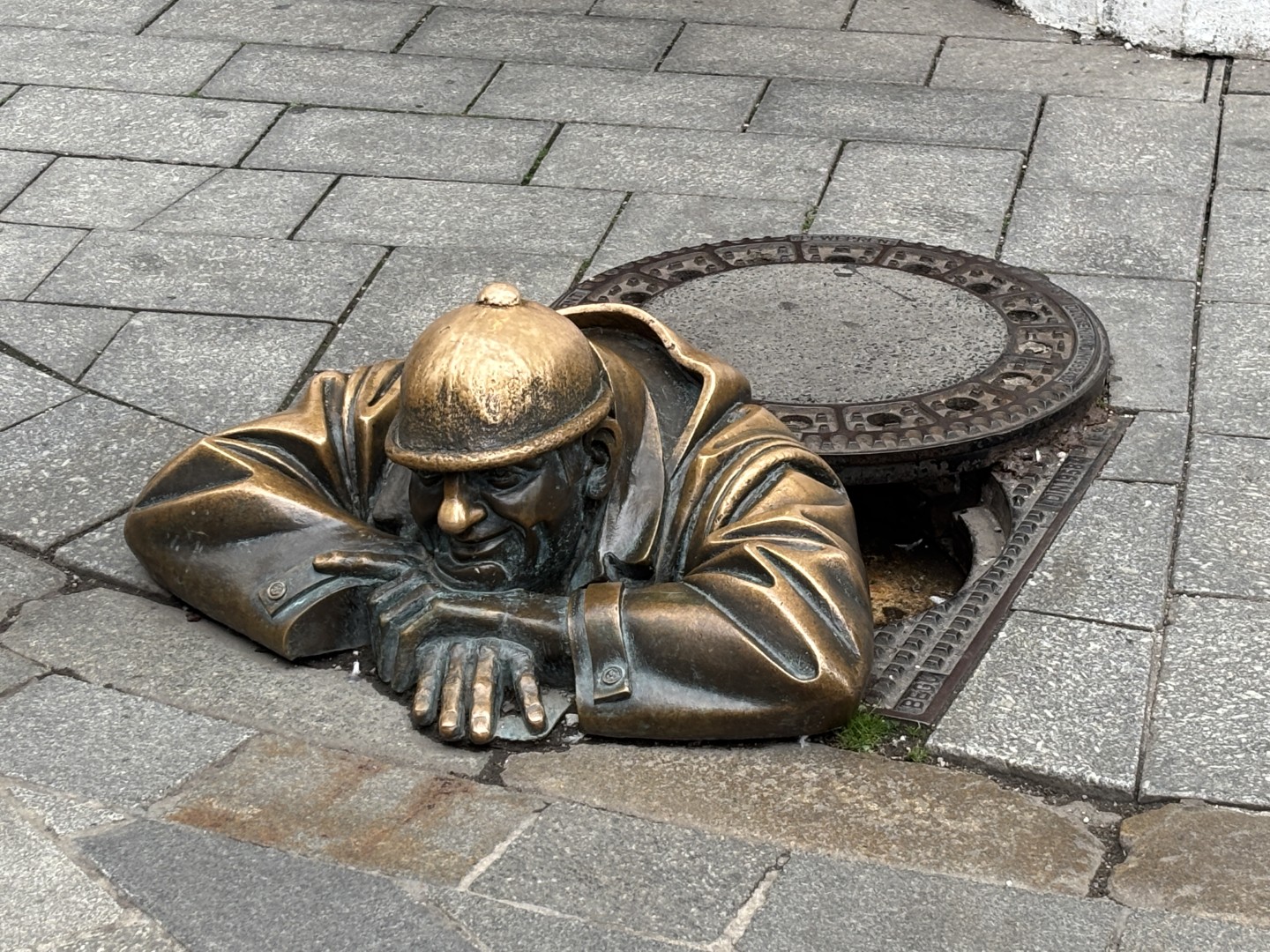
Niet ver vanaf de Hlavné námestie aan Panská 251/1 vind je Cumil ook bekend als Man at Work en is een van de bekendste en meest geliefde beelden van Bratislava. Het grappige bronzen mannetje lijkt uit een rioolput omhoog te kijken naar voorbijgangers.
Not far from the Hlavné námestie, at Panská 251/1, you will find Čumil—also known as "Man at Work"—one of the most famous and beloved statues in Bratislava. The amusing little bronze man appears to be peeking up at passersby from a manhole.
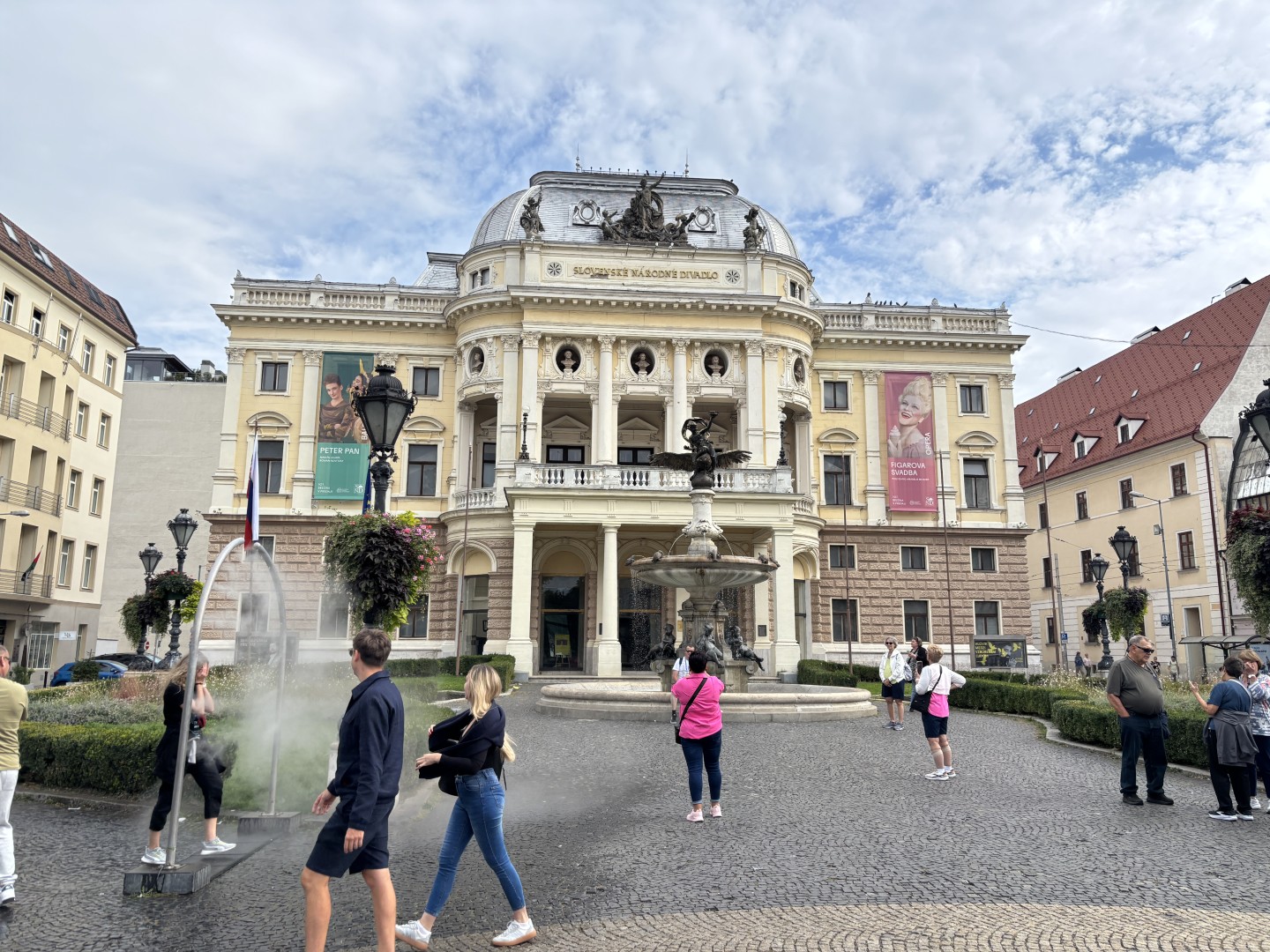
Het Slovak National Theatre ligt aan het Hviezdoslavovo námestie (Hviezdoslav plein), en werd gebouwd in neorenaissancestijl en werd geopend in 1886.
The Slovak National Theatre is located on Hviezdoslavovo námestie (Hviezdoslav Square); it was built in a Neo-Renaissance style and opened in 1886.
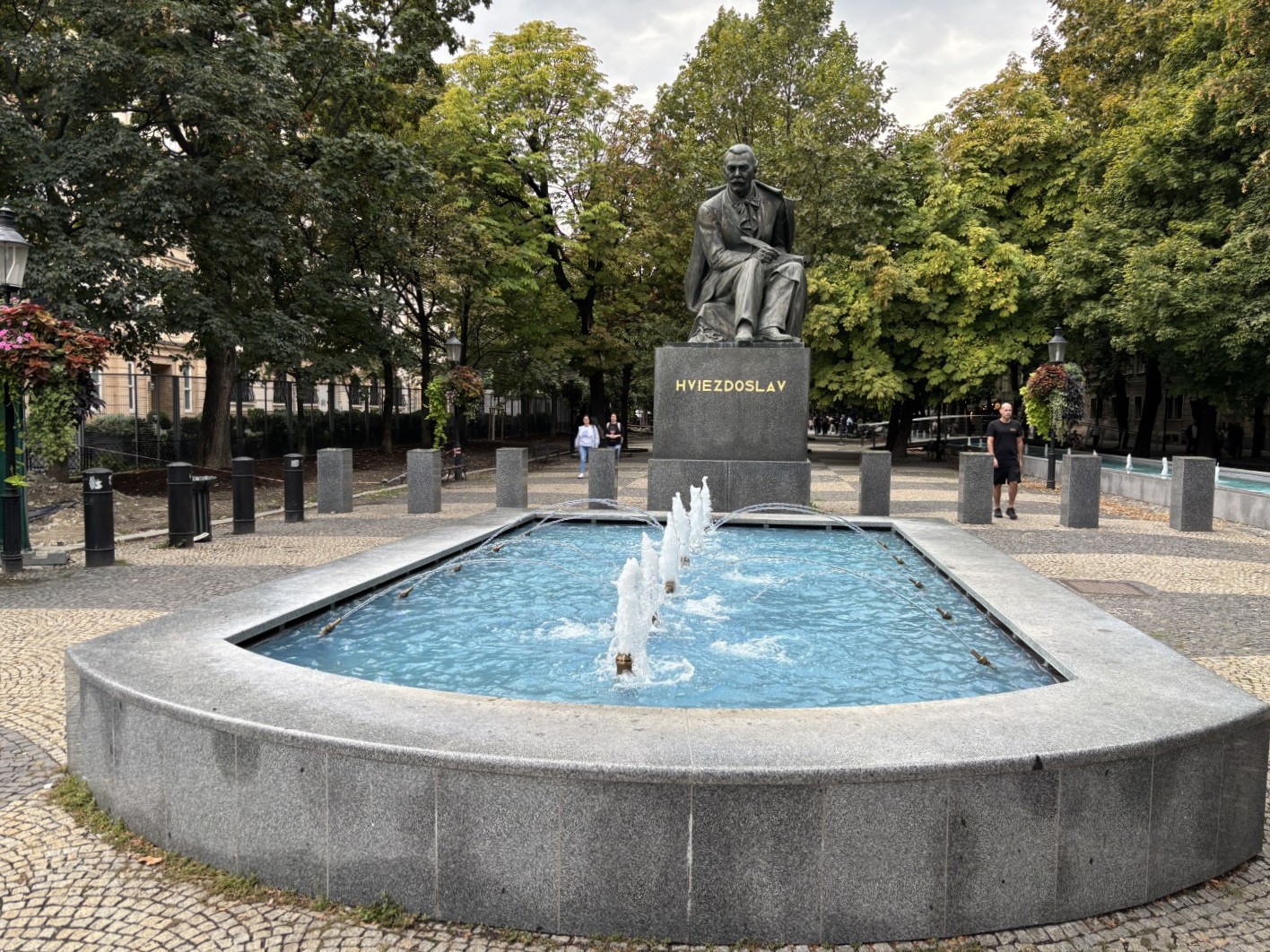
Tegenover het Slovak National Theatre staat een bronzen standbeeld van de Slowaakse dichter Pavol Országh Hviezdoslav op een stenen sokkel bij de fontein (zie film).
Opposite the Slovak National Theatre, near the fountain, stands a bronze statue of the Slovak poet Pavol Országh Hviezdoslav on a stone pedestal (see film).
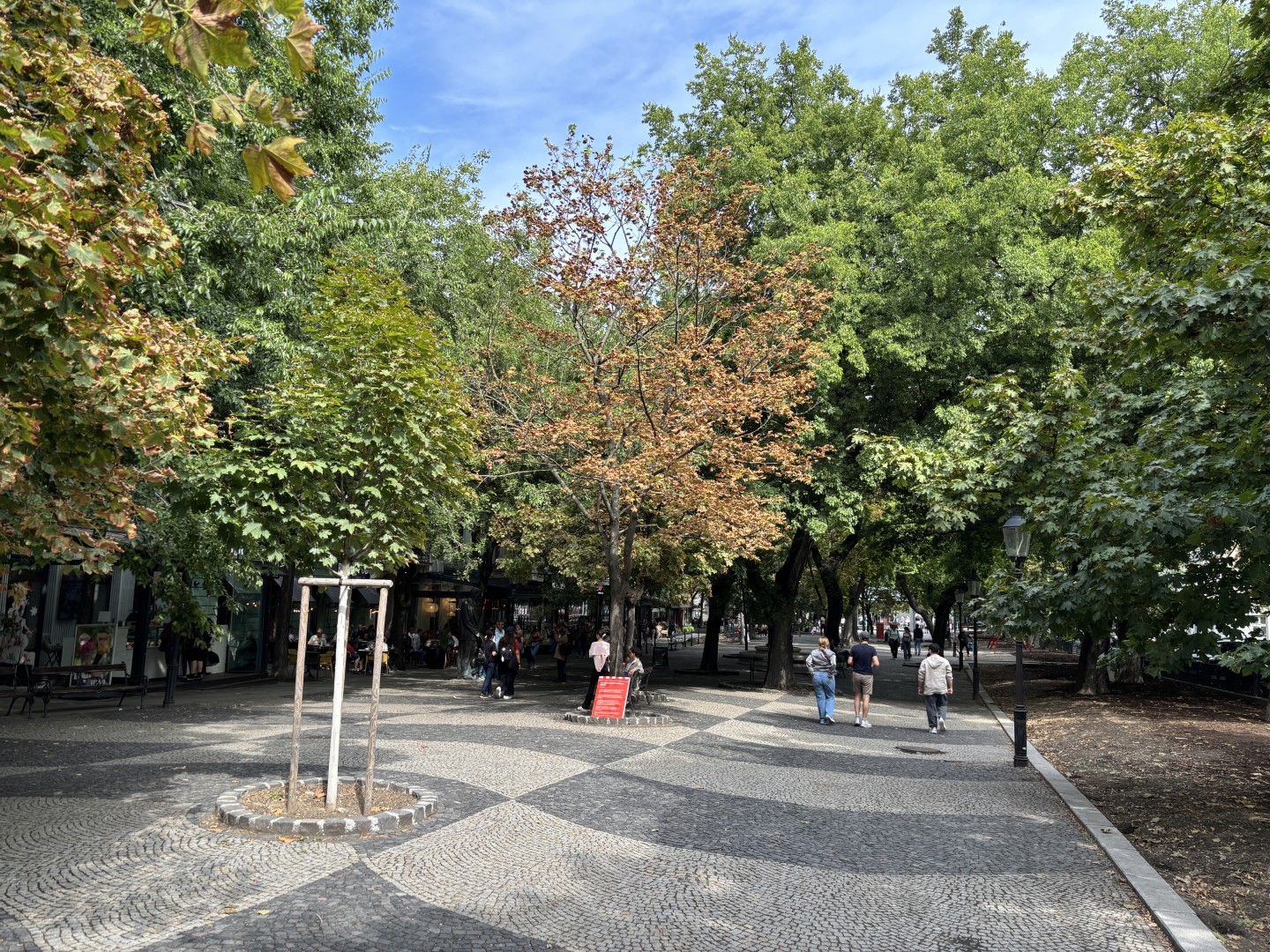
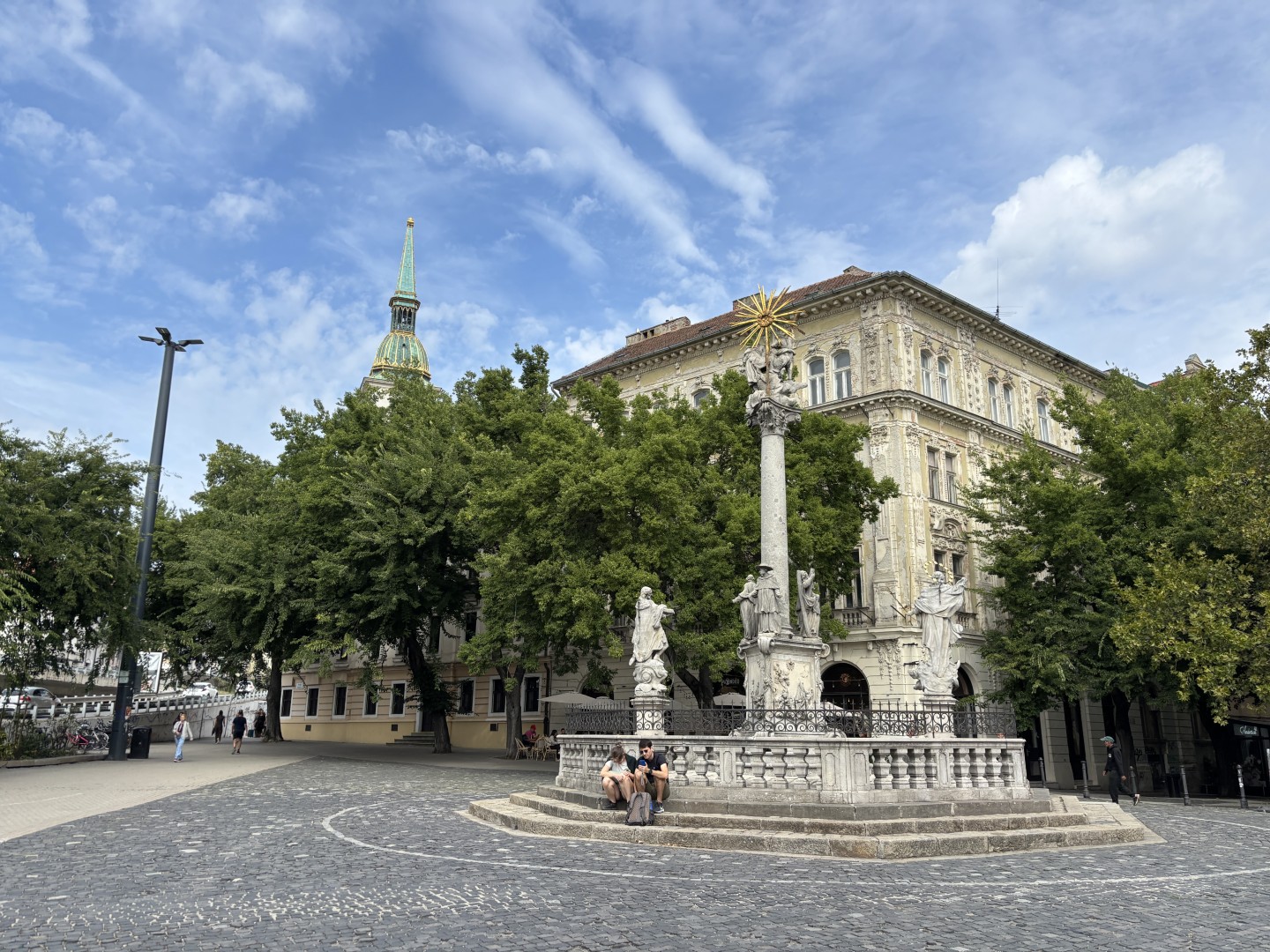
Het Hviezdoslavovo námestie (plein) loopt helemaal door tot aan de Morový stlp, de pestzuil of Drievuldigheidszuil, aan het uiteinden van het plein. De zuil herinnert aan een zware pestepidemie die de stad trof aan het einde van 1712. Aan het plein zijn voldoende restaurants, ijssalons of andere zitgelegenheden waardoor het een favoriet is om hier te wandelen.
The Hviezdoslavovo námestie (square) extends all the way to the Morový stĺp, the plague column, or Trinity Column situated at the far end of the square. The column commemorates a severe plague epidemic that struck the city at the end of 1712. There are plenty of restaurants, ice cream parlors, and other seating areas on the square, making it a favorite place to walk.
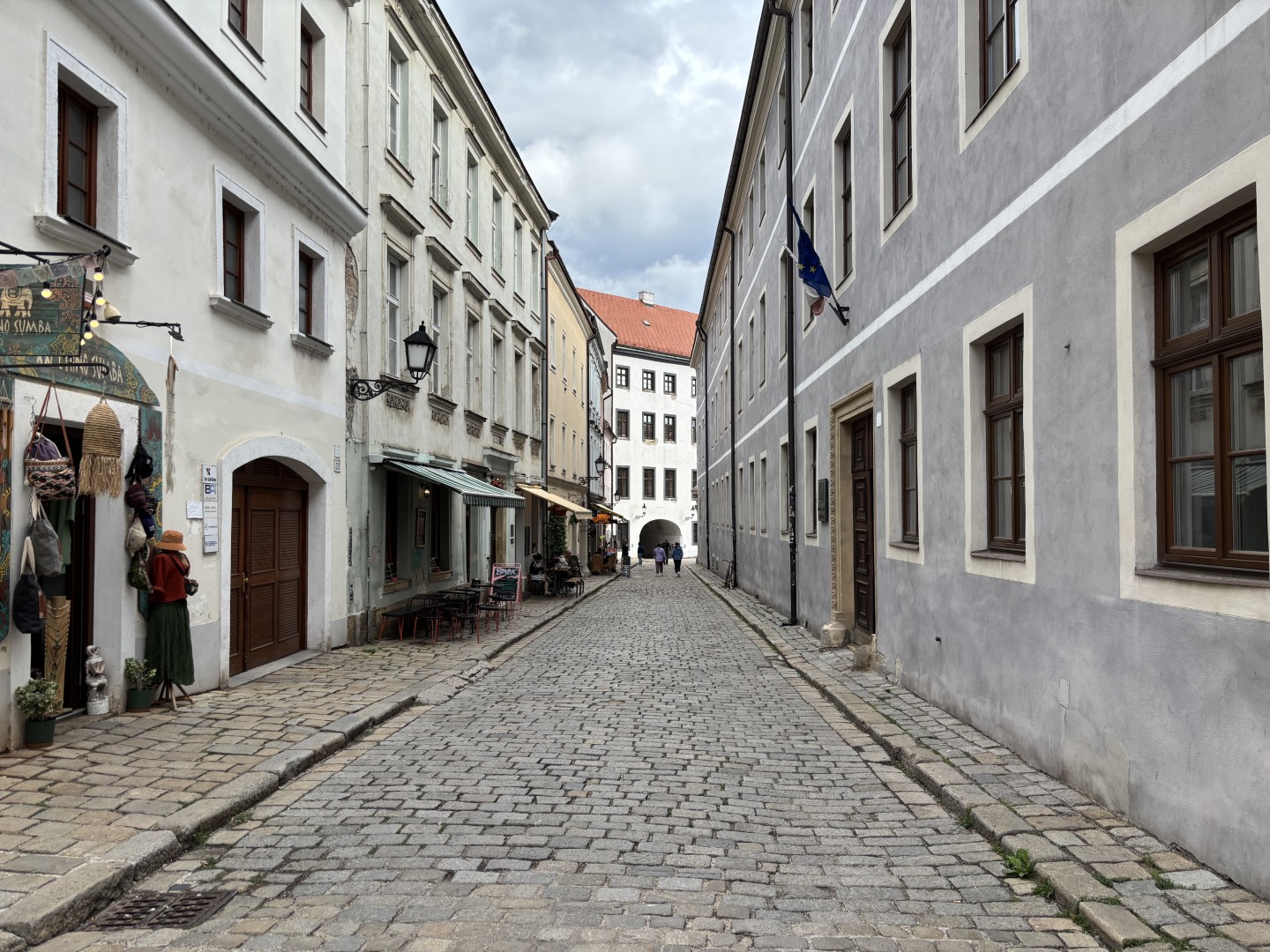
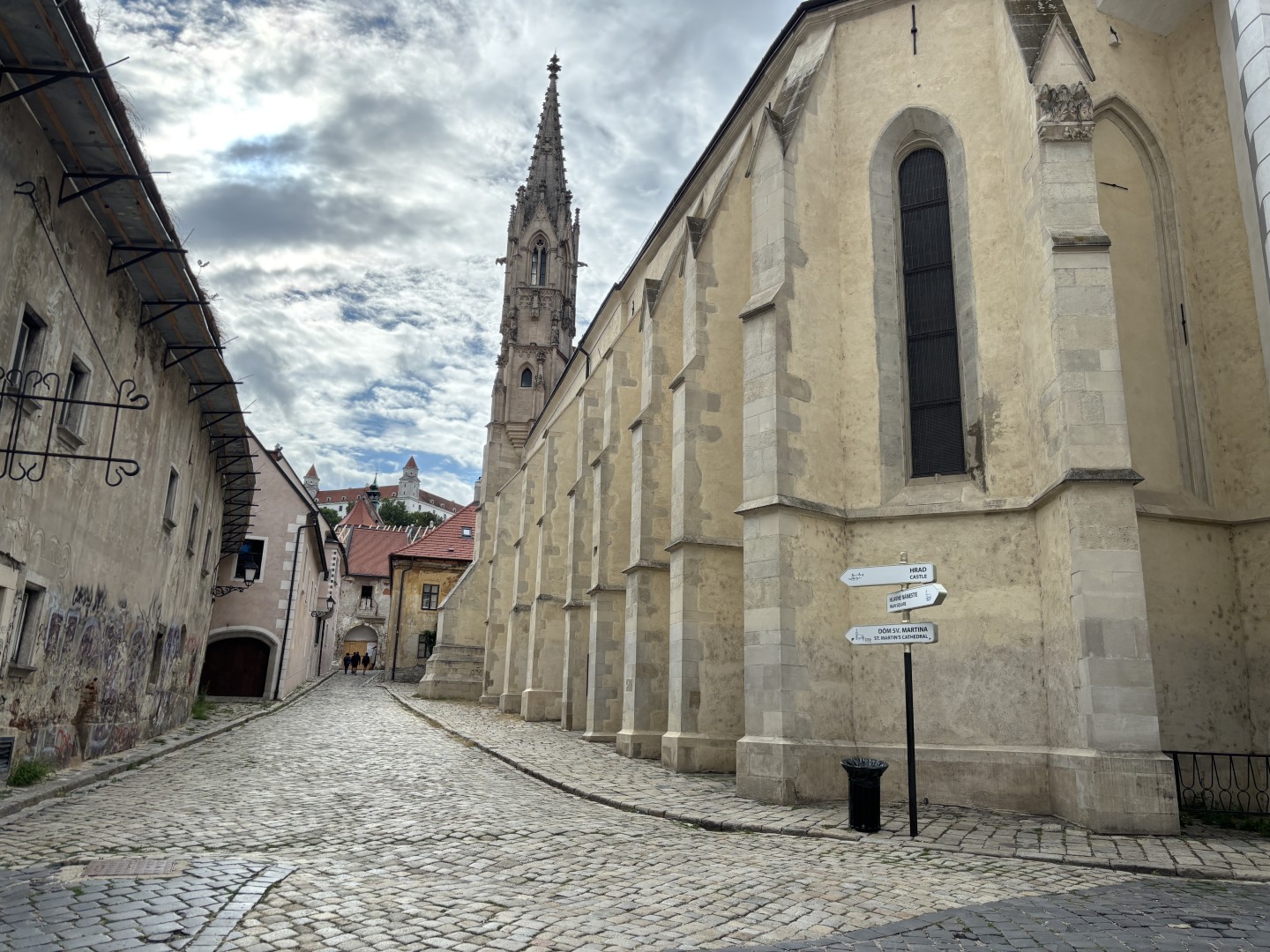
In de Klariská straat staat de Klarissenkerk (Klarisky kostol). Het is een middeleeuwse kerk die deel uitmaakt van het historische erfgoed van de stad. De geschiedenis van het kloostercomplex gaat terug tot de 13e eeuw.
The Clarissenkirche (Klarisky kostol) stands on Klariská Street. It is a medieval church that forms part of the city's historical heritage. The history of the monastery complex dates back to the 13th century.
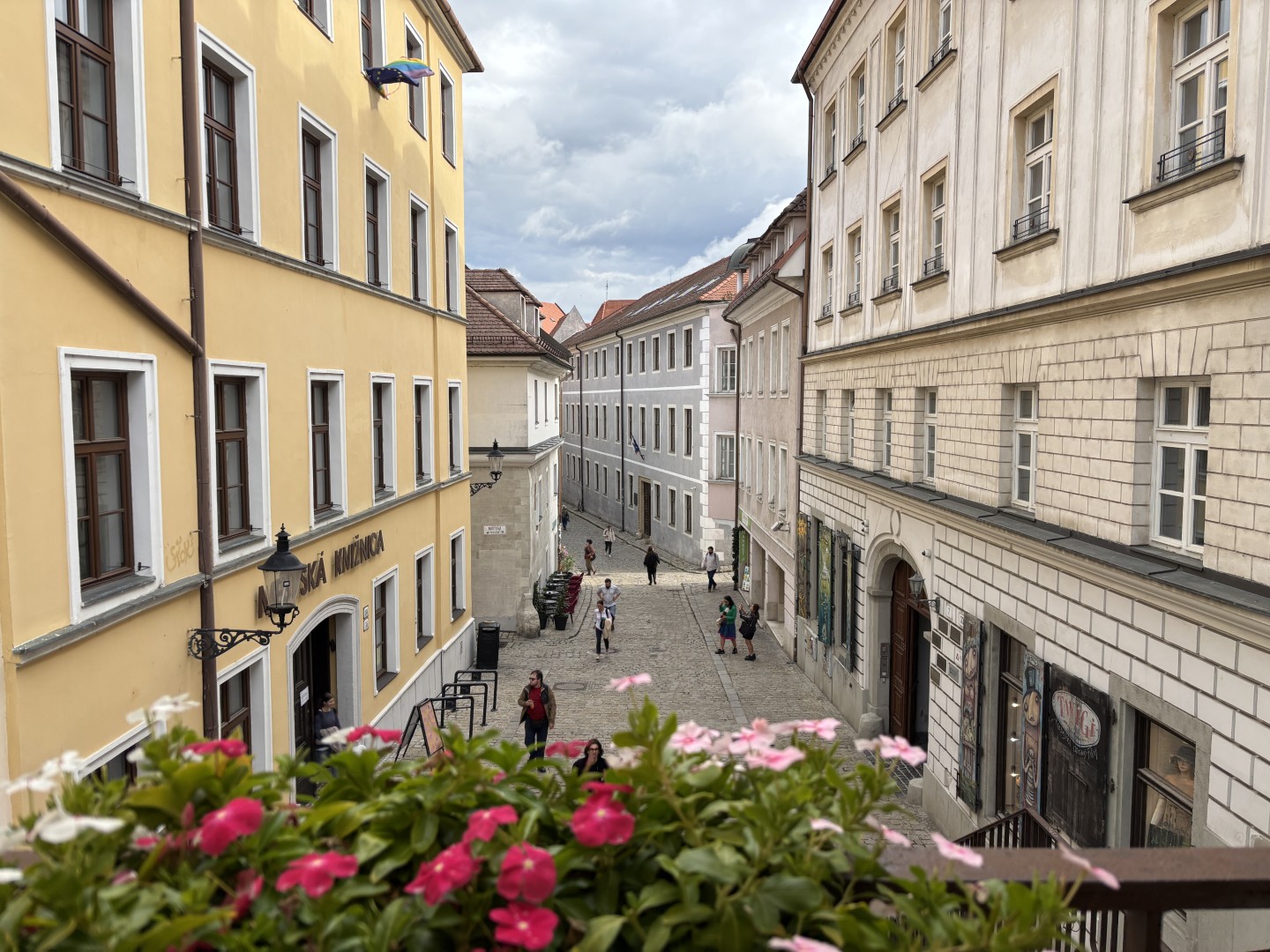
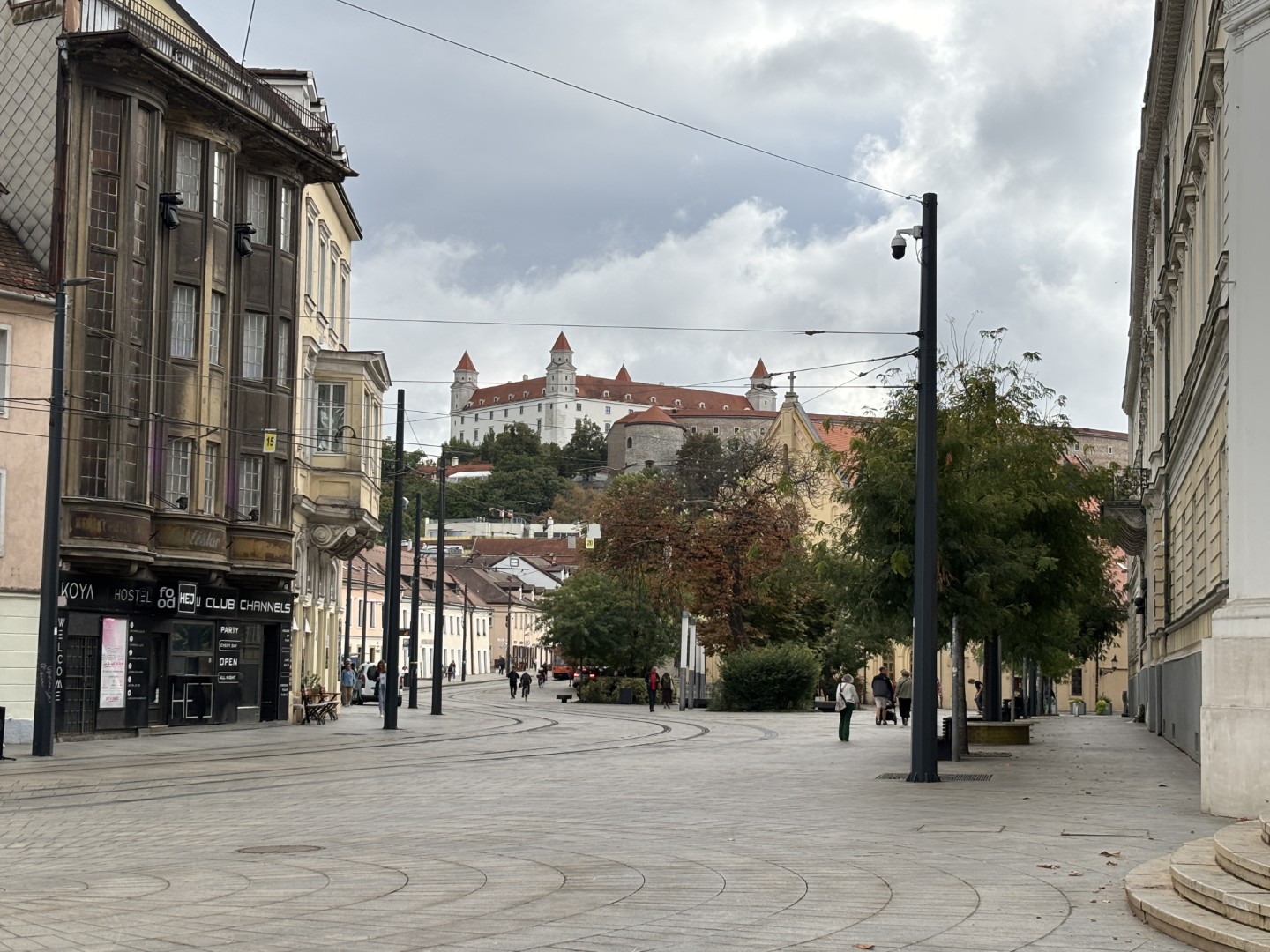
De overgang van Klariská naar Kapucinska laat mooi zien hoe oud en modern Bratislava naast elkaar bestaan: middeleeuwse kloostergbouwen en kerken aan de ene kant, en de tramverbinding door de historische binnenstad aan de andere kant (zie film).
The transition from Klariská to Kapucinska beautifully illustrates how old and modern Bratislava coexist: medieval monastery buildings and churches on one side, and the tram line running through the historic city center on the other (see film).
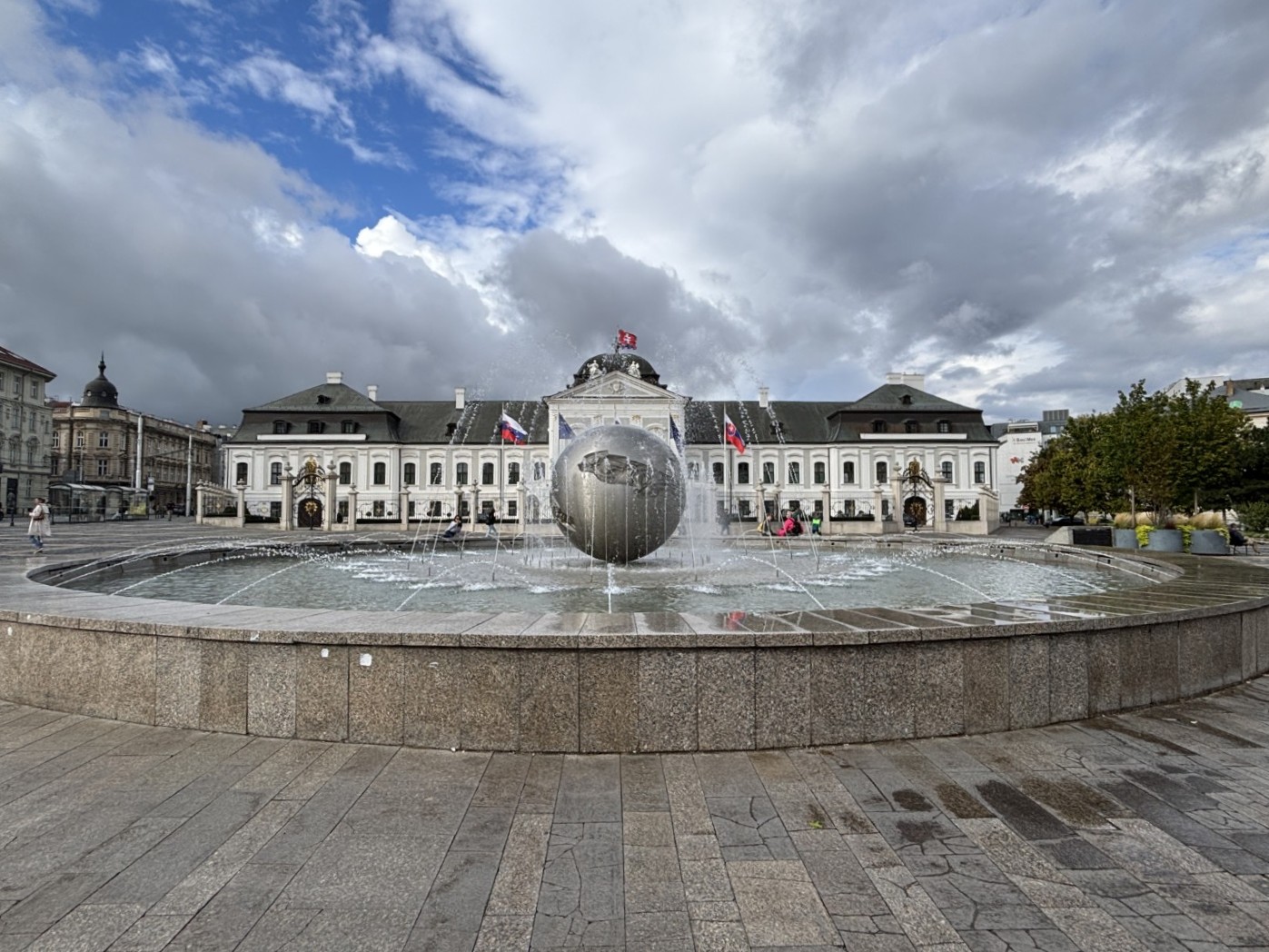
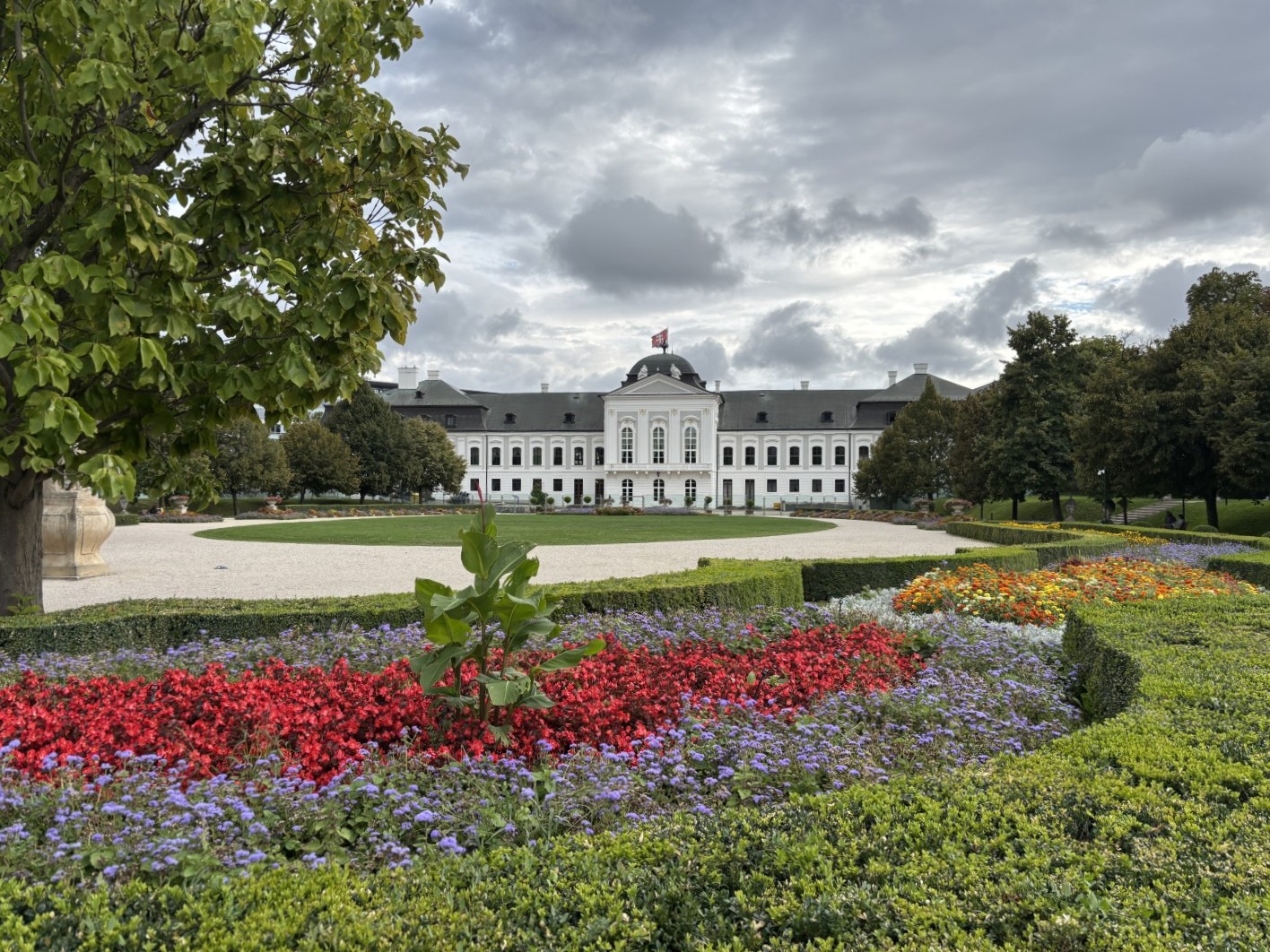
Niet ver vanaf Kapucínska staat het Grassalkovich Paleis. Het Grassalkovich Paleis is een elegant rococopaleis en tegenwoordig de officiële zetel van de Slowaakse president. Het paleis is vooral bekend om zijn geschiedenis, de erewacht en de fraaie tuin achter het gebouw.
Not far from Kapucínska stands the Grassalkovich Palace. An elegant Rococo-style palace, it now serves as the official seat of the President of Slovakia. The palace is best known for its history, its guard of honor, and the beautiful garden located behind the building.
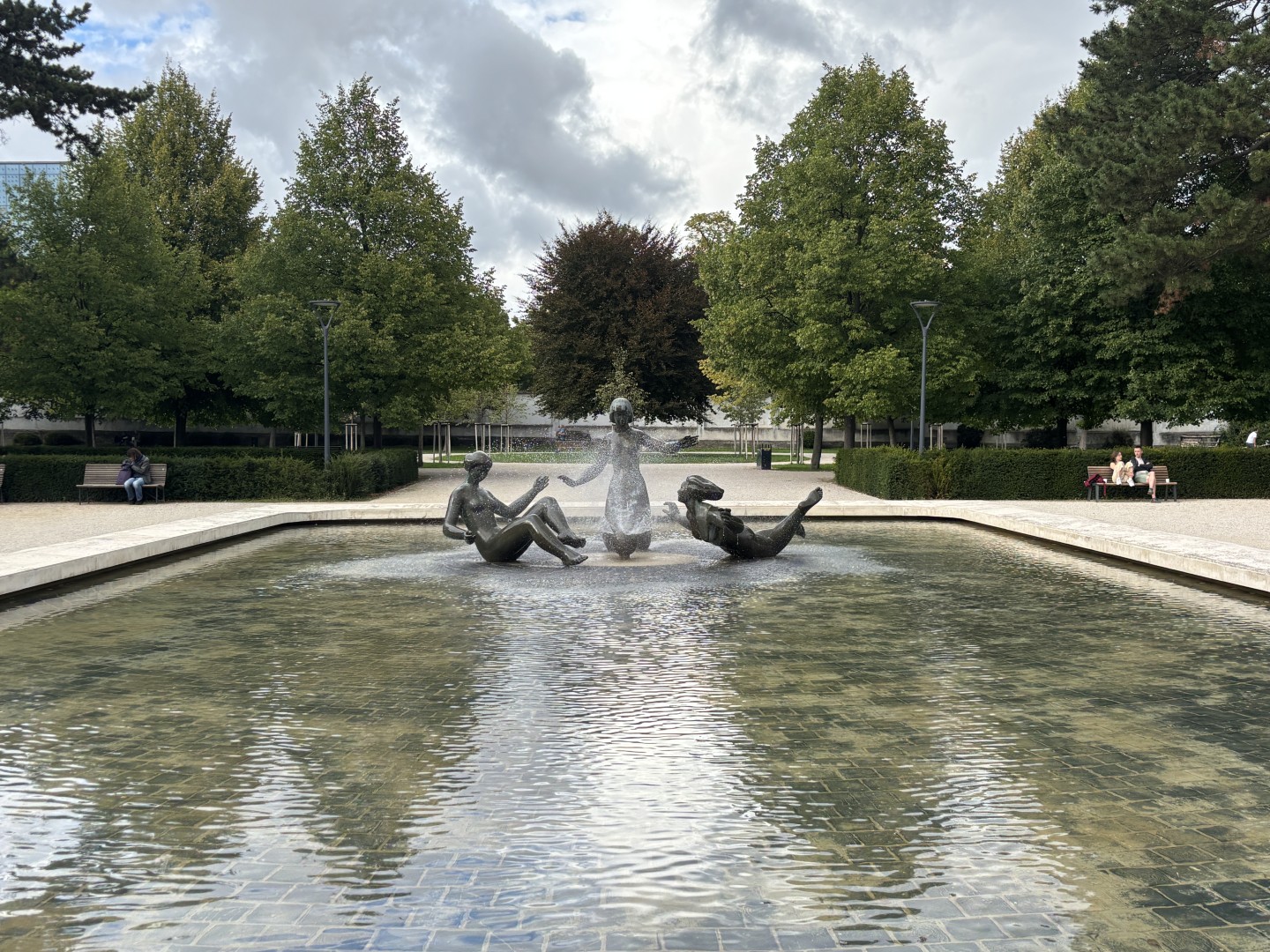
De Fontein van de Jeugd bevindt zich in de tuin achter het Grassalkovich paleis. De fontein is een decoratief kunstwerk in een groene, rustige tuin die ook bekendstaat als de presidentiële tuin. De fontein draagt bij aan de schoonheid van de tuin en vormt een geliefde plek voor bezoekers om even te wandelen en te ontspannen.
The Fountain of Youth is located in the garden behind the Grassalkovich Palace. The fountain is a decorative work of art set within a green, tranquil garden, also known as the presidential garden. It enhances the beauty of the grounds and serves as a popular spot for visitors to take a stroll and relax.
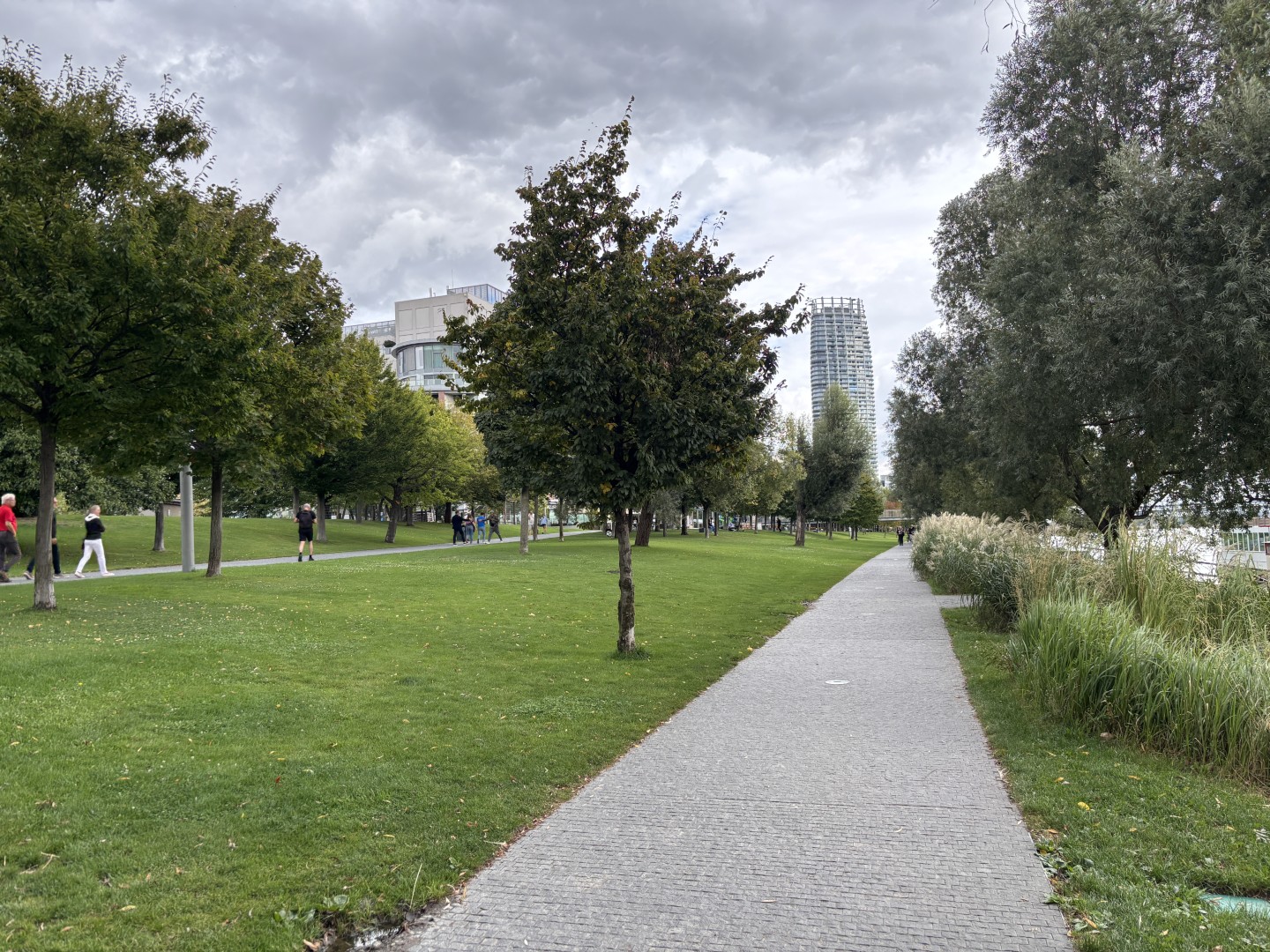
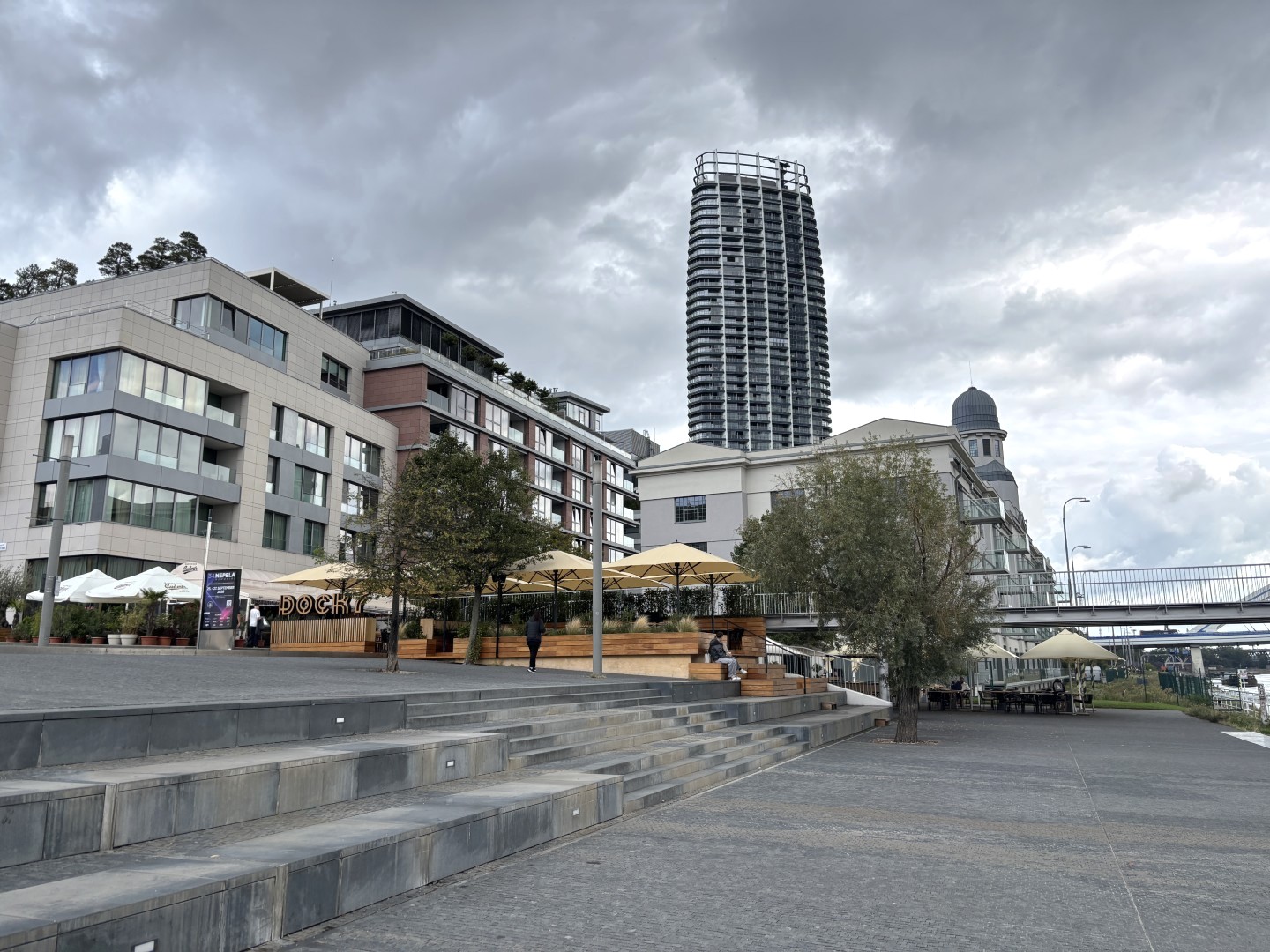
De promenade langs de Donau is een moderne, aantrekkelijke wandelzone die de historische binnenstad verbindt met de moderne wijk Eurovea City. Het is een plek waar historische charme en moderne stadsontwikkeling samenkomen, met uitzicht op de rivier, groene plekjes om te ontspannen, vele restaurants en terrassen aan het water.
The promenade along the Danube is a modern, attractive pedestrian zone that connects the historic city center with the modern Eurovea City district. It is a place where historic charm meets modern urban development, featuring river views, green spaces for relaxation, and numerous restaurants and terraces by the water.
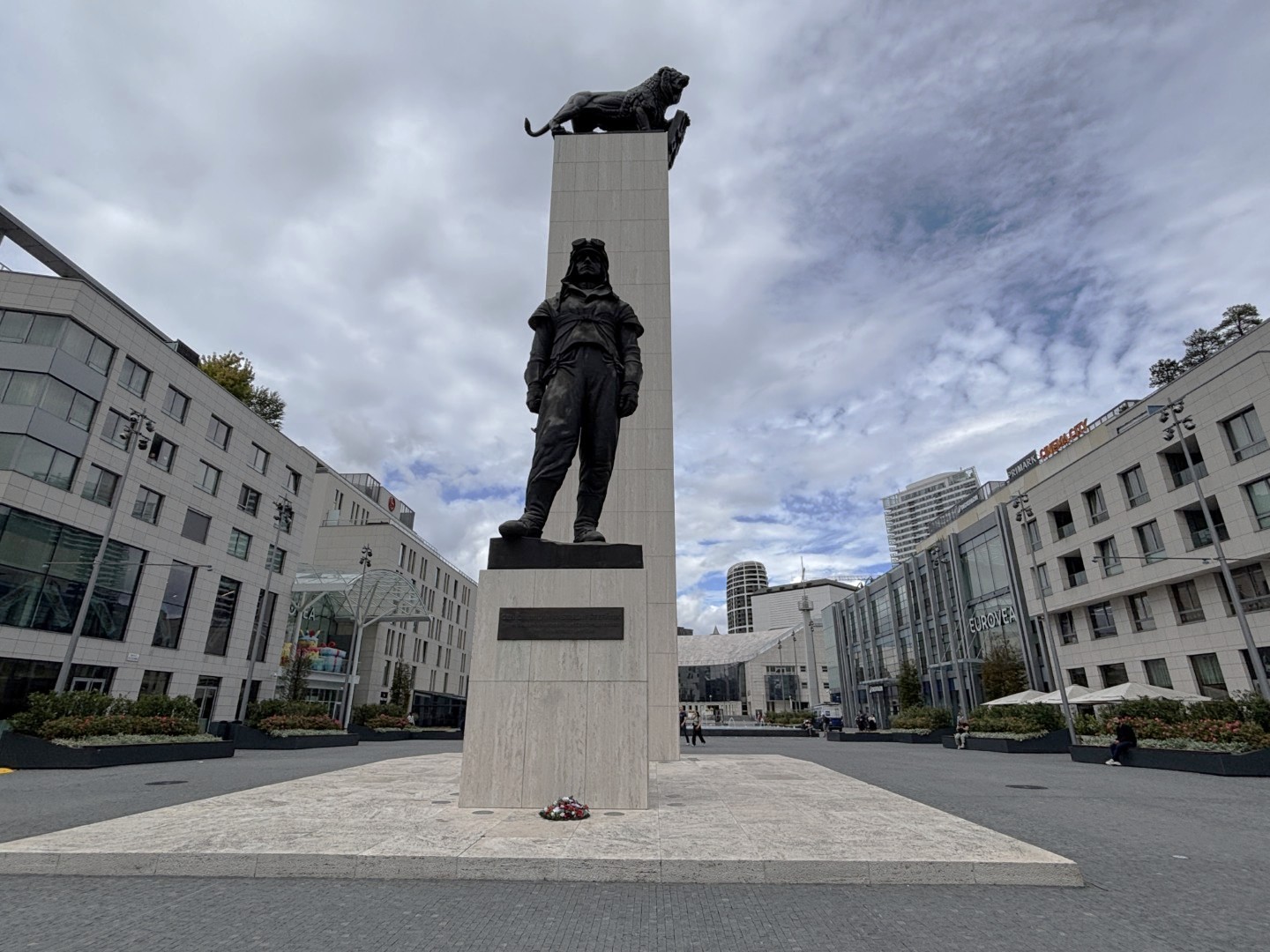
Op het plein bij Eurovea staat het monument van Milan Rastislav Stefánik (1880 - 1919), een Slowaakse astronoom, diplomaat, generaal en piloot. Hij speelde een belangrijke rol bij de oprichting van Tsjechoslowakije in 1918. Het monument toont hem als vliegenier, met een leeuw boven op een hoge zuil als symbool van de Tsjachoslowaakse staat.
On the square at Eurovea stands the monument of Milan Rastislav Stefánik (1880 - 1919), a Slovak astronomer, diplomat, general, and pilot. He played a significant role in the founding of Czechoslovakia in 1918. The monument depicts him as an aviator, with a lion atop a tall column, symbolizing the Czechoslovak state.
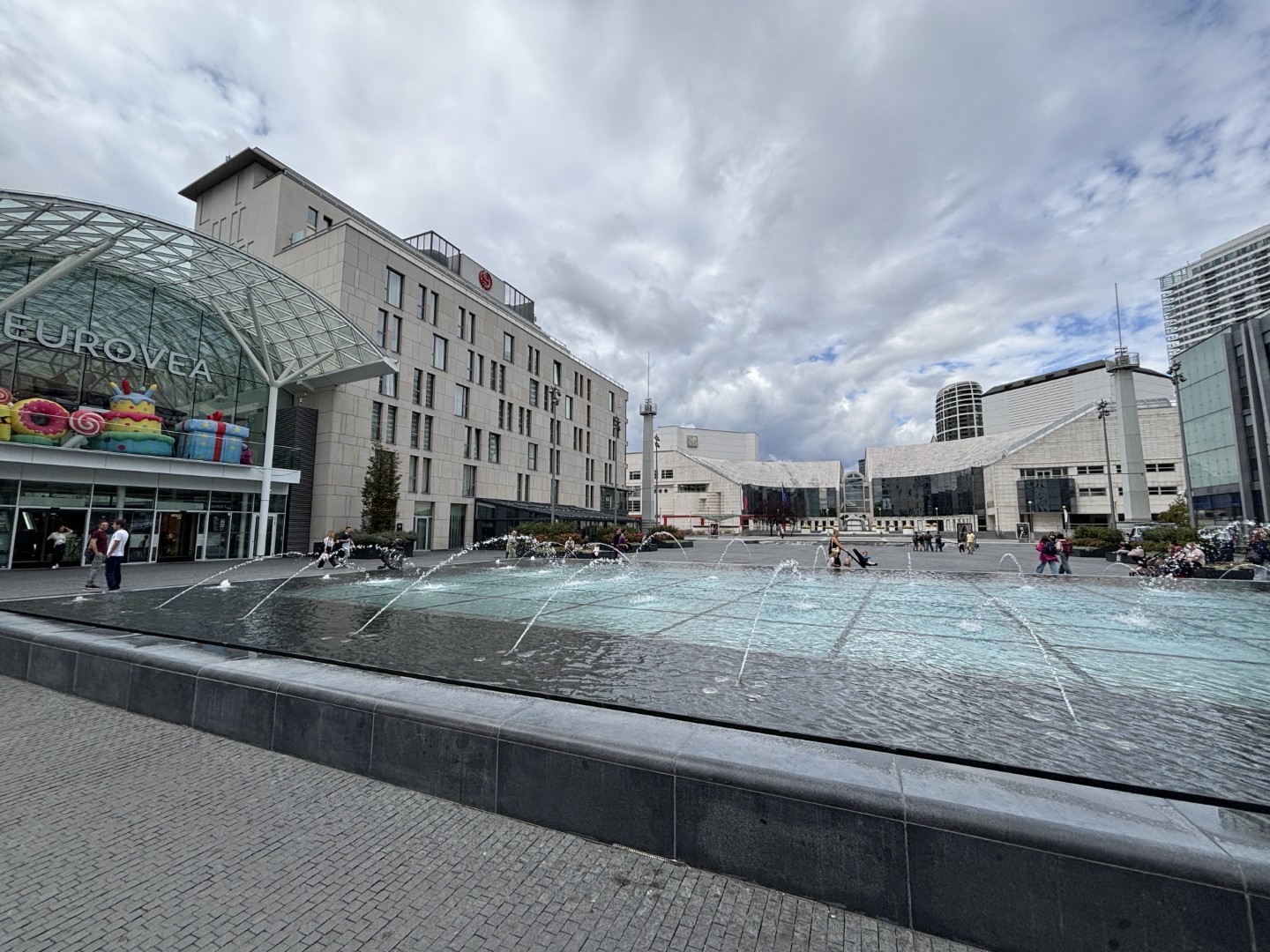
Op het plein bij Eurovea zijn meerdere fonteinen. Ze dragen bij aan de sfeer van het plein en vormen een onderdeel van de openbare ruimte.
There are several fountains on the square at Eurovea. They contribute to the atmosphere of the square and form part of the public space.
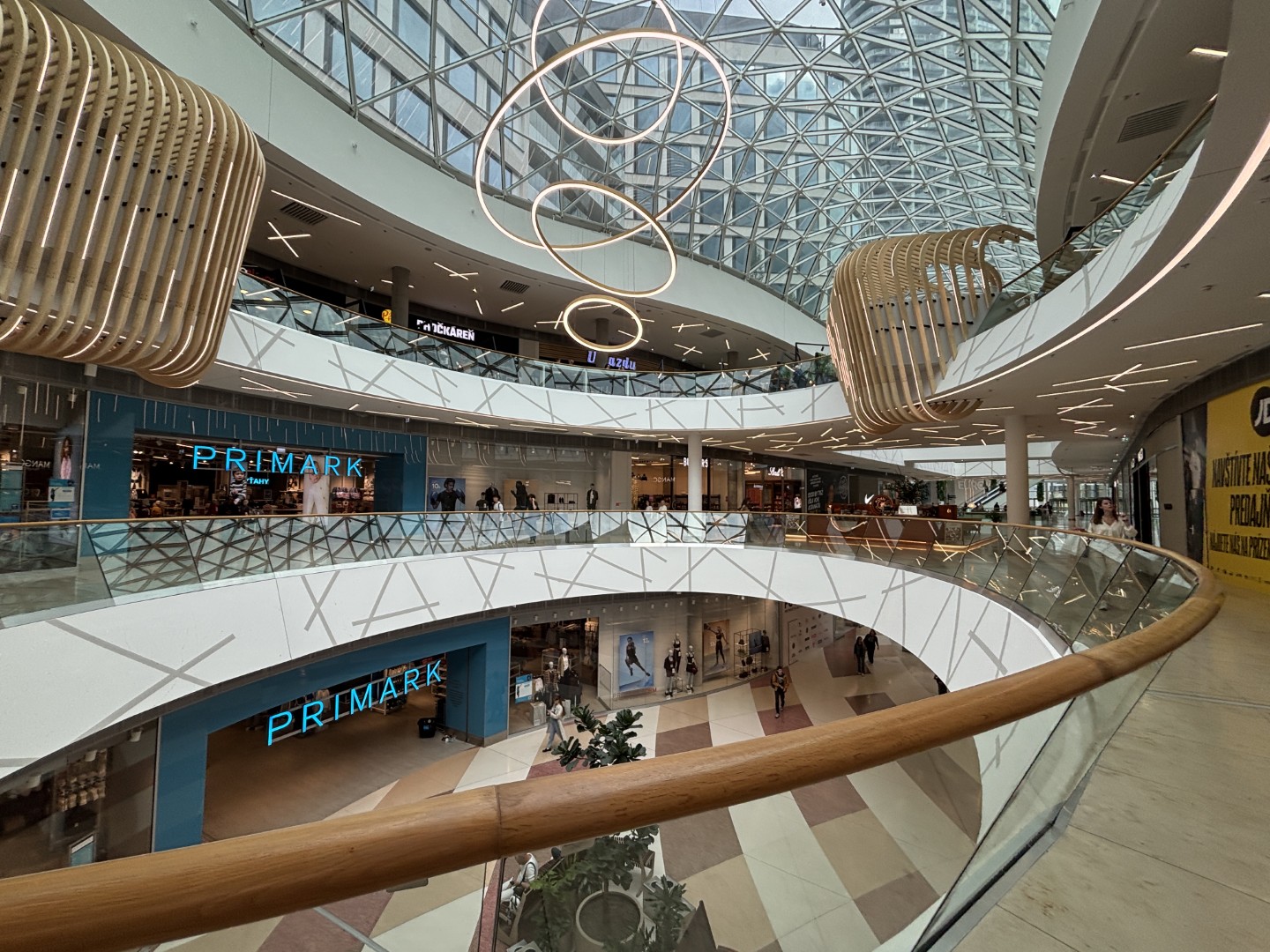
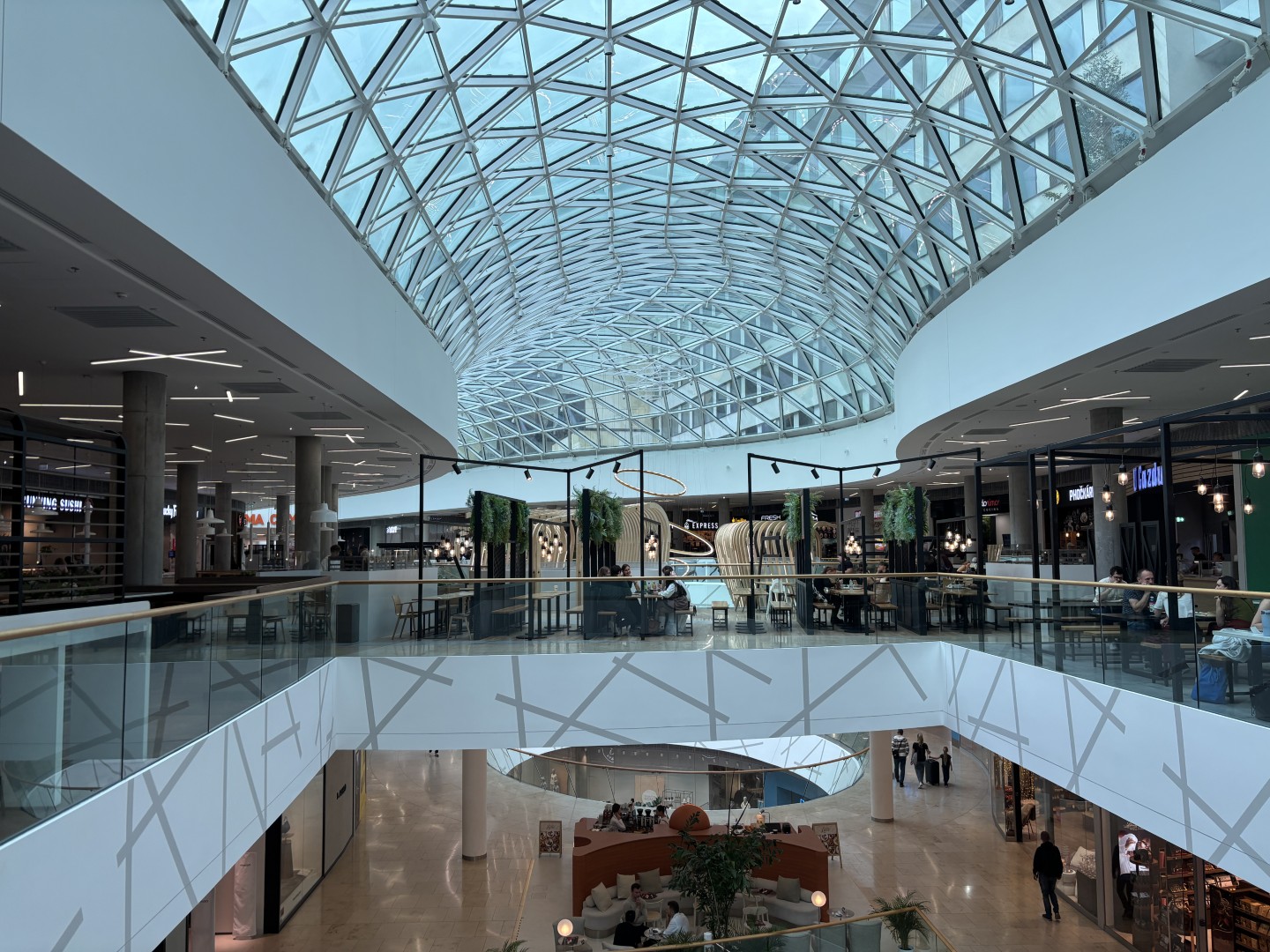
Eurovea is een modern en luxe winkelcentrum aan de Donau. Het heeft een internationale uitstraling die doet denken aan grote Amerikaanse winkelcentra, met ruime passages, veel glas, bekende modewerken en een groot aanbod aan restaurants.
Eurovea is a modern and luxurious shopping center on the Danube. It has an international feel reminiscent of large American shopping malls, with spacious passages, lots of glass, famous fashion brands, and a wide range of restaurants.
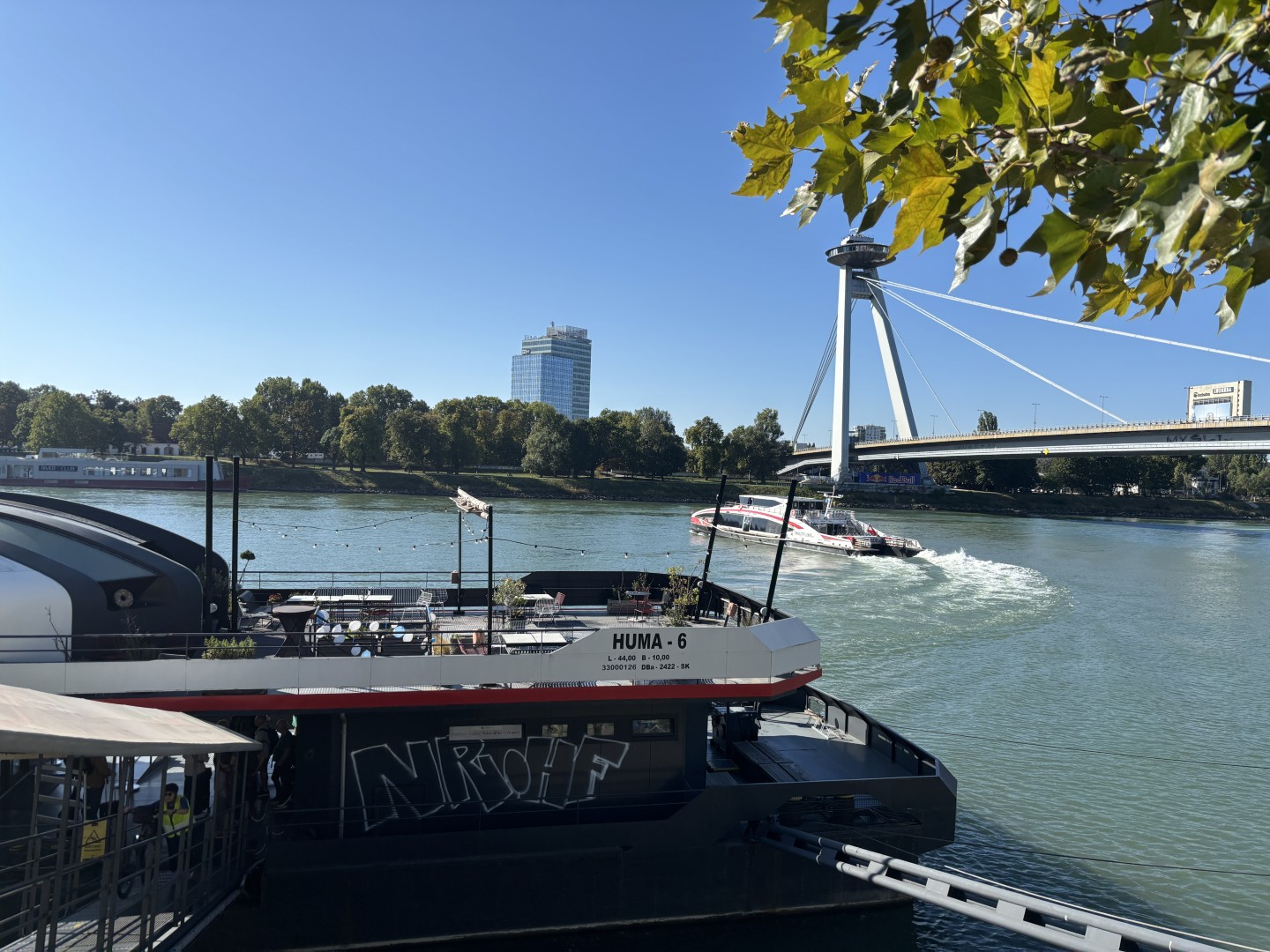
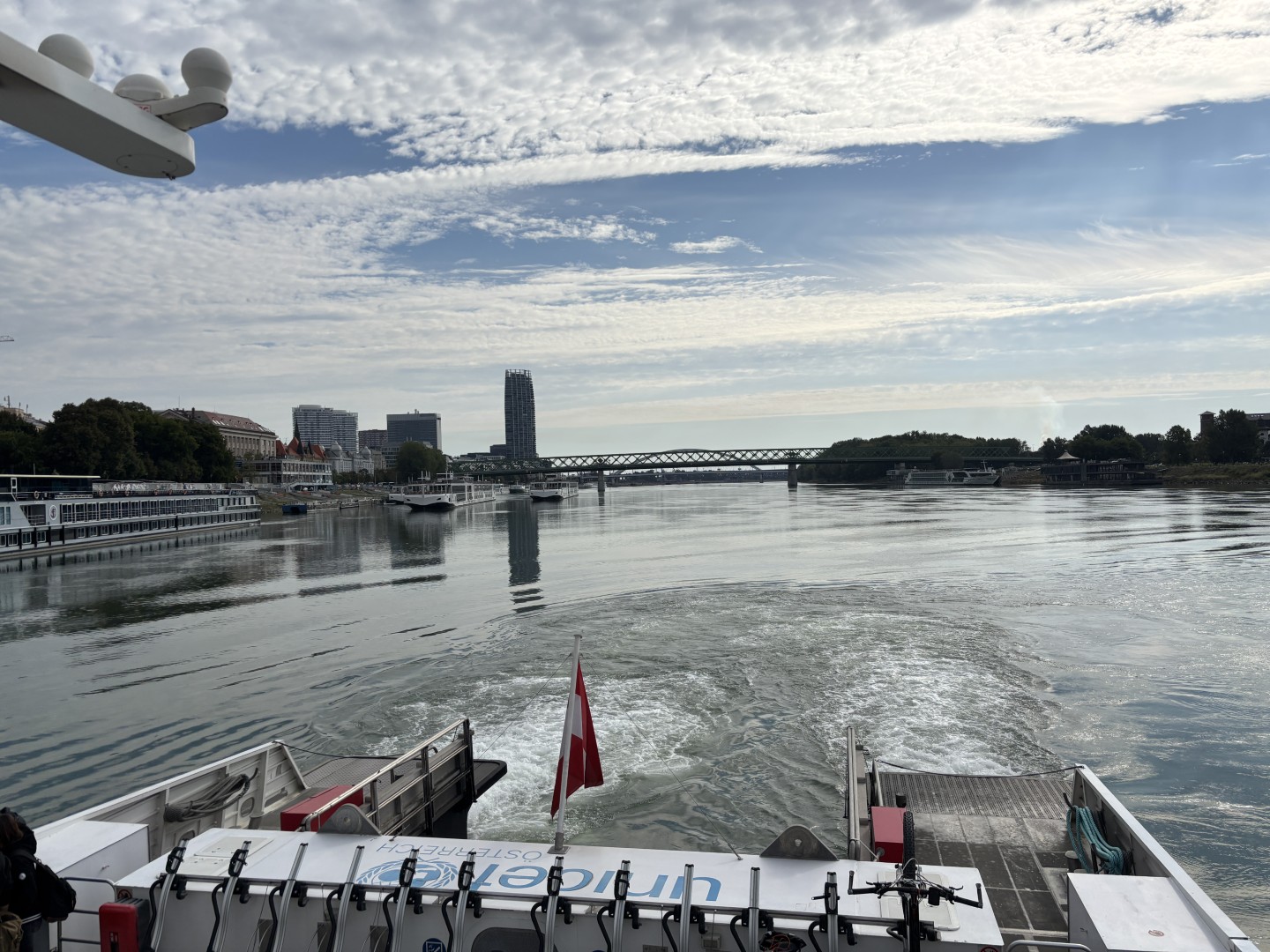
Vanaf Bratislava en vanaf Wenen kun je de Twin City Liner nemen, dit is een snelle passagiersboot die Bratislava en Wenen verbindt. De boot vaart over de Donau en is een leuke manier om tussen beide steden te reizen (zie film).
From Bratislava or Vienna, you can take the Twin City Liner—a high-speed passenger boat that connects the two cities. The boat sails on the Danube and is a fun way to travel between the two cities (see film).
@MK
